
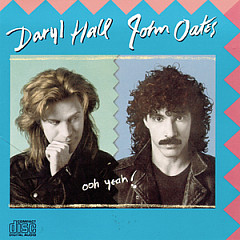
The Hall & Oates hit "Everything Your Heart Desires" has no rhymes.
Joni Mitchell wrote "Woodstock" - the most popular song about the festival - but didn't attend the event because she was booked on The Dick Cavett Show.
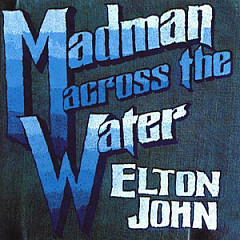
Elton John's classic "Levon" runs 5:22, and Elton wouldn't let his record company edit it down for the single. His next single was "Tiny Dancer," which is even longer, running 6:12.
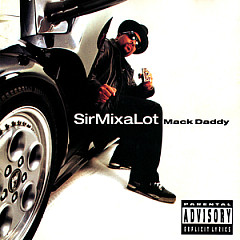
Sir Mix-A-Lot says he's earned over $100 million from "Baby Got Back." He wrote the song and owns the publishing rights, so he can authorize its use in movies, TV shows and commercials, which he often does.
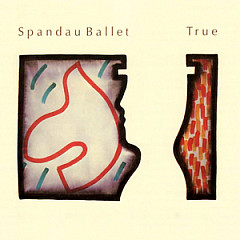
"True" by Spandau Ballet has some lyrics based on parts of the Vladimir Nabokov novel Lolita, including "Take your seaside arms," which in the book is "That little girl with her seaside limbs."
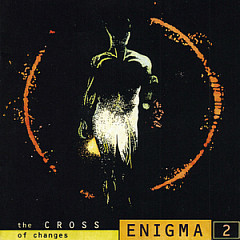
"Return To Innocence" by Enigma is based on a Taiwanese chant by a husband and wife. The couple won a lawsuit granting them royalties from the song.
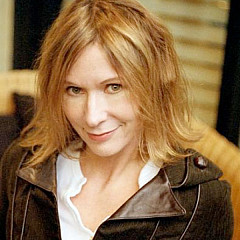
Collaborating with T Bone Burnett, Leslie Phillips changed her name and left her Christian label behind - Robert Plant, who recorded one of her songs on Raising Sand, is a fan.
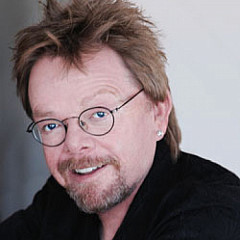
He's a singer and an actor, but as a songwriter Paul helped make Kermit a cultured frog, turned a bank commercial into a huge hit and made love both "exciting and new" and "soft as an easy chair."

The stories behind the biggest hit songs about trucking.
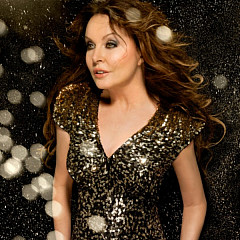
One of the most popular classical vocalists in the land is lining up a trip to space, which is the inspiration for many of her songs.
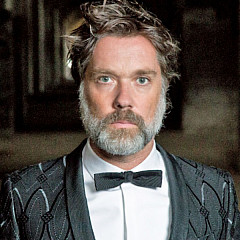
Rufus Wainwright on "Hallelujah," his album Unfollow The Rules, and getting into his "lyric trance" on 12-hour walks.
Many unusual folks appear in Grateful Dead songs. Can you identify them?