
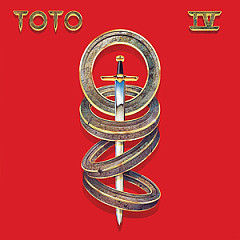
A key line in "Africa" is "I seek to cure what's deep inside, frightened of this thing that I've become," which is about drifting away from what you really want in life. Toto keyboard player David Paich, who wrote the song, felt his work was consuming him.
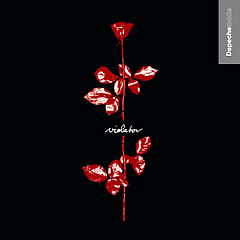
"Personal Jesus," a song about "being a Jesus for somebody else," was inspired by Elvis and Priscilla Presley.
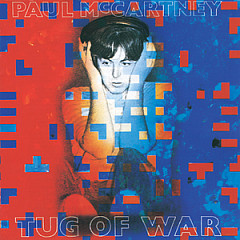
Paul McCartney wrote "Ebony and Ivory," his duet with Stevie Wonder, after a tiff with his wife Linda. "It was like, 'Why can't we get it together- our piano can,'" he explained.
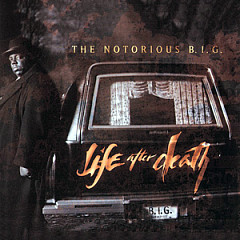
What #1 hit is built on a sample of another #1 hit? "Hypnotize" by The Notorious B.I.G., which gets its groove from "Rise," a chart-topper for Herb Alpert in 1979.
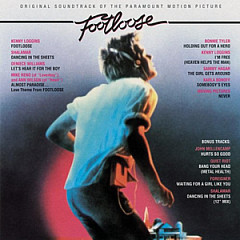
The names Louise, Jack, Marie and Milo all show up in the song "Footloose." Marie was the mother of Dean Pitchford, who co-wrote it.
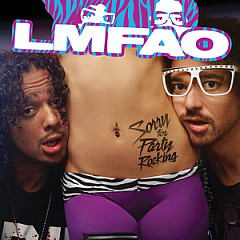
Simon Rex from the TV show What I Like About You and Wilmer Valderrama from That 70s Show both appear in the LMFAO video for "Sexy and I Know It."

He's a singer and an actor, but as a songwriter Paul helped make Kermit a cultured frog, turned a bank commercial into a huge hit and made love both "exciting and new" and "soft as an easy chair."
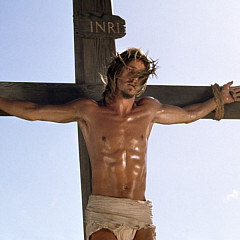
The in-depth discussion about the making of Jesus Christ Superstar with Ted Neeley, who played Jesus in the 1973 film.
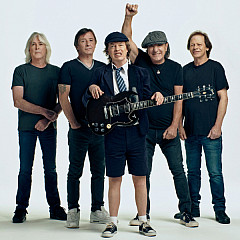
Does Angus really drink himself silly? Did their name come from a sewing machine? See if you can spot the real stories about AC/DC.
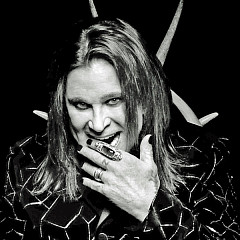
Rock Stars - especially those in the metal realm - are often enlisted for horror movies. See if you know can match the rocker to the role.

Talking Heads drummer Chris Frantz on where the term "new wave" originated, the story of "Naive Melody," and why they never recorded another cover song after "Take Me To The River."
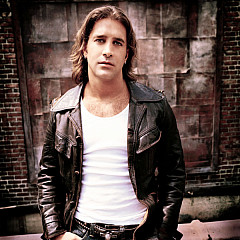
The Creed lead singer reveals the "ego and self-fulfillment" he now sees in one of the band's biggest hits.