New Slaves

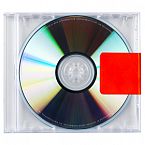
Album: Yeezus (2013)
Charted: 56
Play Video

Songfacts®:

  • The first single from American rapper Kanye West's sixth studio album was released on May 17, 2013 along with its video being projected onto various buildings. The first projection went up in Williamsburg, Brooklyn, before being shown in a total of 66 different locations in North America, Europe, and Australia.
  • The song was produced by West with Ben Bronfman of the production collective Teachers. The pair first met during the My Beautiful Dark Twisted Fantasy sessions a few years previously. Bronfman had heard West was working on a new record and had around seven beats ready when the Chicago hip-hop star contacted him. "He kept saying, 'Just make it hot, make it really dope,'" Bronfman recalled to Rolling Stone. "He didn't really get into specifics, which is funny - he's the type of person who will get really specific in person, but not on the phone. I heard that they were working on a follow-up to Cruel Summer, so I was just kind of riffing."

    Among the beats Bronfman passed onto West was one called "Cruel Cold Winter," which was eventually used for this track. Bronfman only heard his beat was being used when West invited him to a secret listening session for Yeezus in Roseland. "I got word, like, 'One of your tracks made it. It's ill. Come to the show, we'll talk about it there,'" he recalled. "He almost accentuated the track more. The only part he took was the beginning part - he made it even more minimalistic."
  • The song finds West tackling themes centering around racism. He starts by referencing his mom's experiences growing up in the era of segregation in the fifties when there were separate water fountains for white people and African Americans. Ye then tackles being broke and not being able to "touch anything in the store" as he was stereotyped as a black man who probably just wanted to steal something.
  • The song title comes from the lyric. "They tryna lock niggas up, they tryna make new slaves. See that's that privately owned prisons, get your piece today." West is blasting here the disproportionate number of blacks in prison on drug charges. According to the rapper, this is an institutional racism as the drug enforcement agency has teamed up with the CCA ( a company that owns and manages prisons) in order to supply the jails with prisoners. By making laws that effect the drugs that the African Americans favor stiffer, more of them will go and stay in jail longer.
  • The song's conclusion features Ocean singing over a sample of the 1969 song "Gyöngyhajú lány" ("The Girl with Pearly Hair") by Hungarian rock band Omega.

    Gabor Presser, the composer of "Gyöngyhajú luny" claimed that he found out about the sample in May 2013, when the song first started gaining notoriety. West's lawyers sent him a $10,000 check and said they were willing to work out a deal regarding the sample in a desired timeframe of 48 hours. Presser never cashed the check and three years later, he was still waiting for his royalties, so the Hungarian songwriter went to court seeking $2.5 million in compensatory damages.

    West finally settled the long-running lawsuit with Gabor Presser out of court in March 2017. Details for the settlement weren't released though Presser's lawyer did say that "the matter has been resolved amicably."
  • The song features a vocal contribution by Frank Ocean at the end.
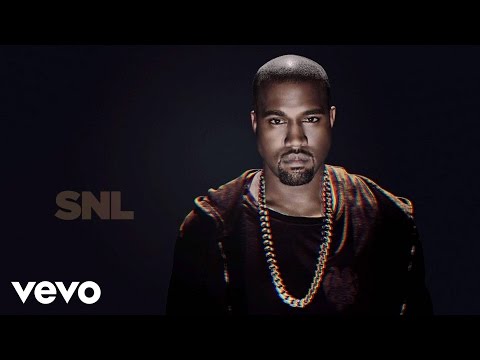
  • The song's TV premiere was on May 18, 2013, when West performed it on Saturday Night Live.
  • West brought in Rick Rubin (Johnny Cash, Red Hot Chili Peppers, Beastie Boys) to help finish Yeezus and serve as its executive producer. "Everything I've been doing, from the 'New Slaves' video to the album with no artwork, I've been thinking, 'What would Rick Rubin do?'" West told guests at the album's playback.
  • Yeezus debuted at the #1 slot in 31 countries after its release on June 18, 2013 despite being leaked online four days earlier.
  • West suggested in a tweet that the song's second verse has yet to be beaten. In it he rhymes about topics ranging from the disproportionate imprisonment of black people in America to the opulence of the Hamptons. "I open the debate," he tweeted. "The 2nd verse of New Slaves is the best rap verse of all time….meaning … OF ALL TIME IN THE HISTORY OF RAP MUSIC, PERIOD."

Comments

Be the first to comment...

Editor's Picks

Frankie Valli

Frankie ValliSong Writing

An interview with Frankie Valli, who talks about why his songs - both solo and with The Four Seasons - have endured, and reflects on his time as Rusty Millio on The Sopranos.
Danny Clinch: The Art of Rock Photography

Danny Clinch: The Art of Rock PhotographySong Writing

One of rock's top photographers talks about artistry in photography, raising funds for a documentary, and enjoying a County Fair with Tom Waits.
Artis the Spoonman

Artis the SpoonmanSong Writing

Even before Soundgarden wrote a song about him, Artis was the most famous spoon player of all time. So why has he always been broke?
90210 to Buffy to Glee: How Songs Transformed TV

90210 to Buffy to Glee: How Songs Transformed TVSong Writing

Shows like Dawson's Creek, Grey's Anatomy and Buffy the Vampire Slayer changed the way songs were heard on TV, and produced some hits in the process.
Rick Astley

Rick AstleySongwriter Interviews

Rick Astley on "Never Gonna Give You Up," "Cry For Help," and his remarkable resurgence that gave him another #1 UK album.
Greg Lake of Emerson, Lake & Palmer

Greg Lake of Emerson, Lake & PalmerSongwriter Interviews

Greg talks about writing songs of "universal truth" for King Crimson and ELP, and tells us about his most memorable stage moment (it involves fireworks).