


Korn's most popular song, "Freak On A Leash," is about their predatory record label making huge profits off the band. It was quite profitable, helping the Follow The Leader album sell over 5 million copies.
Jo Dee Messina's 1996 country classic "Heads Carolina, Tails California" was inspired by a book released the previous year called Border Music by Robert James Waller, where the main character flips a coin to decide his next destination.

"Crank That (Soulja Boy)" was the most successful digital track of 2007 in the US with 2,909,000 downloads. On January 6, 2008 it became the first song ever to sell 3 million digital copies in the States.
Sly & the Family Stone's "Thank You (Falettinme Be Mice Elf Agin)" was a huge hit in 1970 and found new life when Janet Jackson sampled the bass riff on her 1989 hit "Rhythm Nation."
"Margaritaville" is a state of mind, but it's most associated with Key West, Florida, where Jimmy Buffett moved when he was 24.
The "Doctor of philosophy" in the Indigo Girls' song "Closer To Fine" is based on a teacher Emily Saliers had who had a poster of Rasputin on his door.

When you free your mind, your ass may follow, but you have to make sure someone else doesn't program it while it's wide open.

Jon Fratelli talks about the band's third album, and the five-year break leading up to it.

Lori's songs have been recorded by Faith Hill and Sara Evans. She's performed on the CMAs and on Oprah. She also has five kids.

The renown Texas songwriter has been at it for 40 years, with tales to tell about The Flatlanders and The Clash - that's Joe's Tex-Mex on "Should I Stay or Should I Go?"
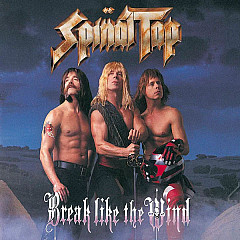
They sang about pink torpedoes and rocking you tonight tonight, but some real lyrics are just as ridiculous. See if you can tell which lyrics are real and which are Spinal Tap in this lyrics quiz.
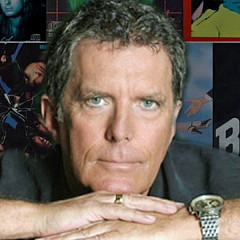
Ron Nevison explains in very clear terms the Quadrophenia concept and how Heart staged their resurgence after being dropped by their record company.