
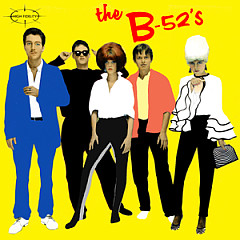
Vegetarian Fred Schneider of the B-52's got the idea for "Rock Lobster" at an Atlanta disco when a projector displayed images of lobsters on a grill.
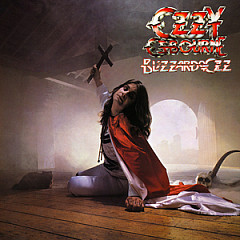
"Crazy Train" by Ozzy Osbourne is about the Cold War concept of Mutually Assured Destruction (M.A.D.) should any nuclear missile be fired.
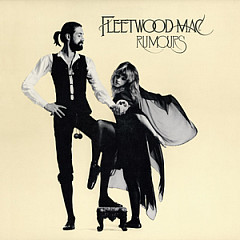
Christine McVie wrote "Songbird" for Fleetwood Mac's Rumours album in just half a hour after she woke up in the middle of the night with the song in her head.

The R.E.M. song "Don't Go Back To Rockville" is about Mike Mills' girlfriend at the University of Georgia, who had to go back to Rockville, Maryland, for the summer.
The title of Florence + the Machine's "How Big, How Blue, How Beautiful" was inspired by the Los Angeles skyline.
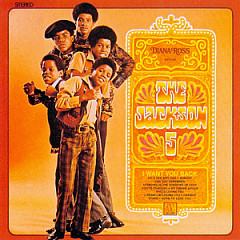
Michael Jackson was only 11 years and 5 months old when the Jackson 5's "I Want You Back" became the group's first #1 hit. This made Jackson the youngest group member ever to top the Hot 100.
The singer-songwriter Melanie talks about her spiritual awakening at Woodstock, "Brand New Key," and why songwriting is an art, not a craft.
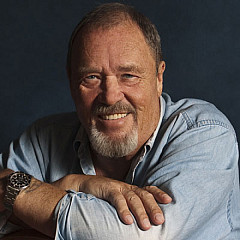
The longtime BS&T frontman tells the "Spinning Wheel" story, including the line he got from Joni Mitchell.
First question: Michael Jordan and Magic Johnson appeared in videos for what artist?
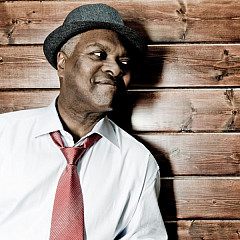
The Stax legend on how he cooked up "Green Onions," the first time he and Otis Redding saw hippies, and if he'll ever play a digital organ.
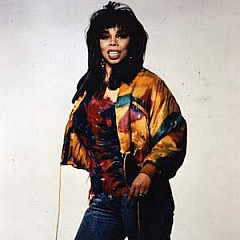
Outrageously gifted and just plain outrageous, Millie is an R&B and Rap innovator.
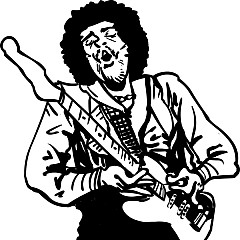
When you have a song called "Fire," it's tempting to set one - these guys did.