
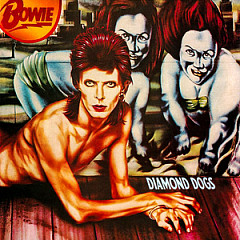
When David Bowie sings, "We like dancing and we look divine" in "Rebel Rebel," it's a reference to a famous drag queen known as Divine.
The name "Schoolhouse Rock," which was a series of educational cartoons, was a play on "Jailhouse Rock," the title of an Elvis Presley song.
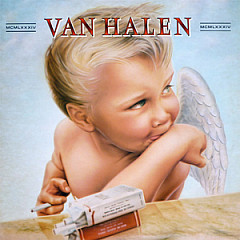
Van Halen's first #1 hit was "Jump," an unusual song for the band because the lead instrument was synthesizer, not guitar.
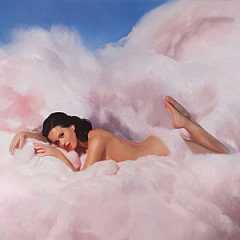
When "Last Friday Night (T.G.I.F.)" climbed to #1 on the Hot 100, Katy Perry became the first woman to send five songs from one album to the top of the charts. The four previous chart-toppers from her Teenage Dream set were "California Gurls," "Teenage Dream," "Firework" and "E.T."

On Missy Elliott's "Work It," the backward vocal is the previous line, "Put my thing down, flip it, and reverse it," in reverse. She stumbled on it when the engineer played it backward by mistake.
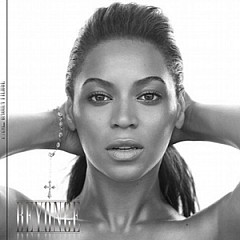
Beyoncé married Jay-Z five months before releasing "Single Ladies (Put a Ring On It)," a song she sang in character as her alter-ego, Sasha Fierce.
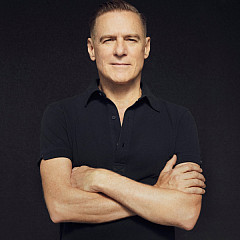
What's the deal with "Summer of '69"? Bryan explains what the song is really about, and shares more of his songwriting insights.
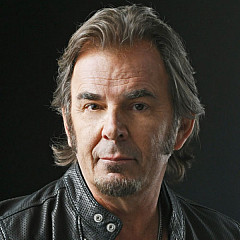
Cain talks about the divine inspirations for "Don't Stop Believin'" and "Faithfully."
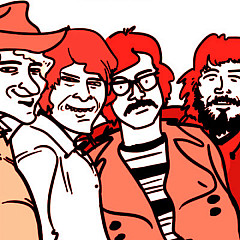
Is "Have You Ever Seen the Rain" about Vietnam? Was John Fogerty really born on a Bayou? It's the CCR edition of Fact or Fiction.
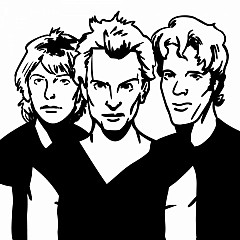
Do their first three albums have French titles? Is "De Do Do Do, De Da Da Da" really meaningless? See if you can tell in this Fact or Fiction.
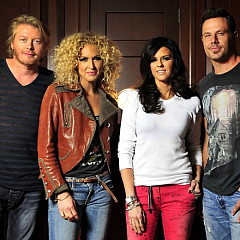
"When seeds that you sow grow by the wicked moon/Be sure your sins will find you out/Your past will hunt you down and turn to tell on you."
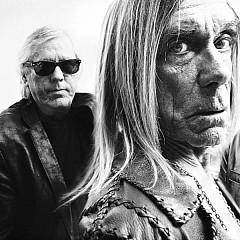
The Stooges guitarist (and producer of the Kill City album) talks about those early recordings and what really happened with David Bowie.