

"The Night Chicago Died" was written and recorded by the British group Paper Lace. They talk about Al Capone in the song, but got a lot of details wrong - understandable since they wrote it based on gangster movies.
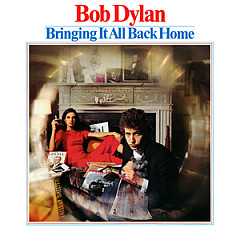
Bob Dylan's original version of "Mr. Tambourine Man," released on his album Bringing It All Back Home, has no tambourine, just guitars and harmonica.
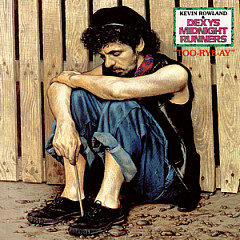
Dexys Midnight Runners' "Come on Eileen" is based on a real girl called Eileen that the band's Kevin Rowland had a relationship with in his early teenage years.
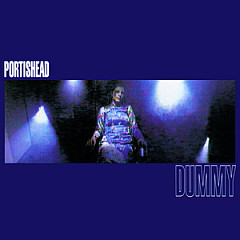
The eerie percussion and guitar for Portsihead's "Sour Times" was sampled from Lalo Schifrin's "Danube Incident," music composed by the Argentine composer for an episode of Mission Impossible.
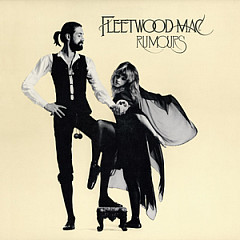
Christine McVie wrote "Songbird" for Fleetwood Mac's Rumours album in just half a hour after she woke up in the middle of the night with the song in her head.

A pre-famous Rupaul is in the video for "Love Shack" by The B-52s. He had a solo hit with "Supermodel" a few years later.

From the lake in "Roundabout" to Sister Bluebird in "Starship Trooper," Jon Anderson talks about how nature and spirituality play into his lyrics for Yes.
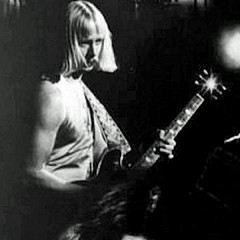
In this talk from the '80s, the Kansas frontman talks turning to God and writing "Dust In The Wind."
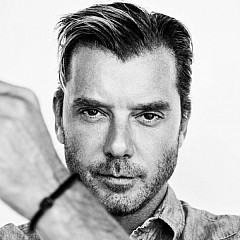
On the "schizoid element" of his lyrics, and a famous line from "Everything Zen."

Tyler talks about his true love: songwriting. How he identifies the beauty in a melody and turns sorrow into art.
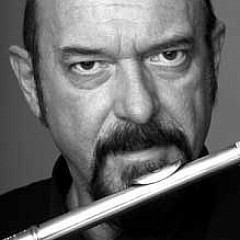
The flautist frontman talks about touring with Led Zeppelin, his contribution to "Hotel California", and how he may have done the first MTV Unplugged.
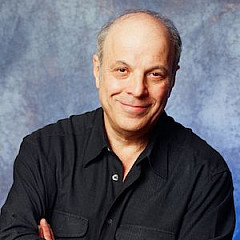
After studying in Paris with a famous composition teacher, Charles became the most successful writer of TV theme songs.