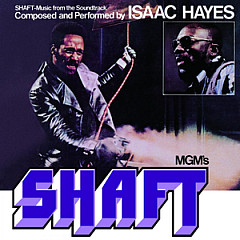
When "Theme From Shaft" won an Oscar in 1972, Isaac Hayes became the first African American to win in the Best Song category.
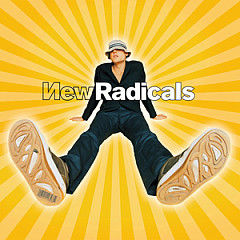
"You Get What You Give" by The New Radicals was the first hit song to use the word "frenemies" in the lyric.
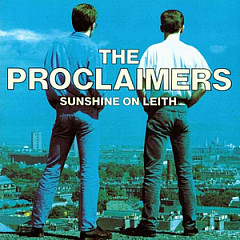
Americans know the song "I'm Gonna Be (500 Miles)" by The Proclaimers thanks to the 1993 Johnny Depp movie Benny & Joon, where it plays in the opening scene. The song was first released in 1988 but got little attention in the US until it showed up in the film.
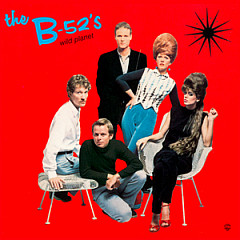
The B-52's chose the location of their song "Private Idaho" because the state has a reputation for being wacky and mysterious. The title is a play on the phrase "private eye."

Bob Seger's "Against The Wind" has the famous mind-bending line, "Wish I didn't know now what I didn't know then." Seger was going to cut it, but his Eagles buddies Glenn Frey and Don Henley told him it was the best line in the song.

Dan cracked the Top 40 with "Ritual," then went to India and spent 2 hours with the Dalai Lama.
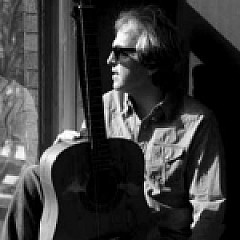
On Glen's résumé: hit songwriter, Facebook dominator, and member of Styx.
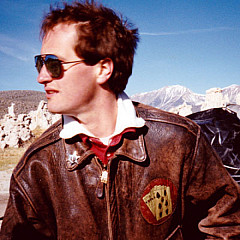
Nick made some of the biggest videos on MTV, including "The Final Countdown," "Heaven" and "Don't Know What You Got (Till It's Gone)."
Prince is shrouded in mystery, making him an excellent candidate for Fact or Fiction. Is he really a Scientologist? Does he own an exotic animal?
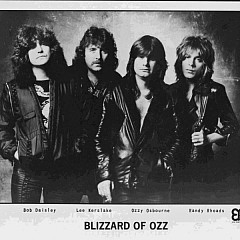
Bob was the bass player and lyricist for the first two Ozzy Osbourne albums. Here's how he wrote songs like "Crazy Train" and "Mr. Crowley" with Ozzy and Randy Rhoads.