Cyndi Lauper came up with the title "Time After Time" when she saw it in TV Guide magazine. It's the name of a 1979 movie about a man who invents a time machine.

Neil Diamond wrote "I'm A Believer" early in his career. It was a hit for The Monkees and revived by Smash Mouth in 2001 for the movie Shrek, helping make Diamond cool again.

The first version of The Beatles' "Helter Skelter" was a 27-minute jam, so you can imagine what Ringo was going through pounding away on drums. To convince the guys he needed a break, he screamed, "I've got blisters on my fingers!" This was included on the fadeout.

Creedence Clearwater Revival's first single was a cover of a rockabilly song called "Susie Q." When it became a hit, group leader John Fogerty went into a songwriting frenzy so they wouldn't be one-hit wonders, resulting in hits like "Proud Mary" and "Lodi."

The video for Iggy Azalea's "Fancy" pays homage to the classic 1995 film Clueless with the rapper playing Cher and featured singer Charli XCX portraying Tai. It was filmed at some of the same locations used in the movie.
Is "Have You Ever Seen the Rain" about Vietnam? Was John Fogerty really born on a Bayou? It's the CCR edition of Fact or Fiction.
JJ talks about The Stranglers' signature sound - keyboard and bass - which isn't your typical strain of punk rock.
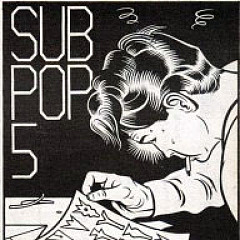
With $50 and a glue stick, Bruce Pavitt created Sub Pop, a fanzine-turned-label that gave the world Nirvana and grunge. He explains how motivated individuals can shift culture.
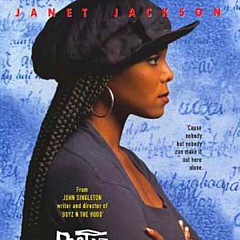
A look at the good (Diana Ross, Eminem), the bad (Madonna, Bob Dylan) and the peculiar (David Bowie, Michael Jackson) film debuts of superstar singers.

Gramm co-wrote this gorgeous ballad and delivered an inspired vocal, but the song was the beginning of the end of his time with Foreigner.
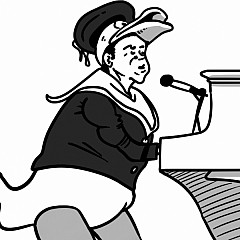
Does he have beef with Gaga? Is he Sean Lennon's godfather? See if you can tell fact from fiction in the Elton John edition.