
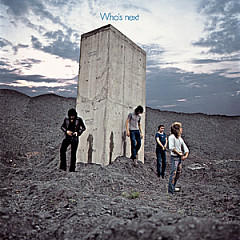
"Won't Get Fooled Again" by The Who is about a revolution, but it doesn't have a happy ending, since in the end the new regime becomes just like the old one. Pete Townshend thought that whoever was in power was destined to become corrupt.
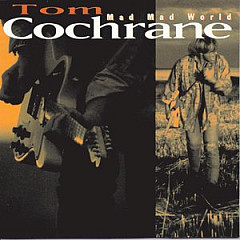
Tom Cochrane wrote "Life Is A Highway" to pull himself out of a funk following an exhausting humanitarian trip to Africa.
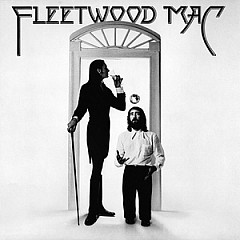
"Rhiannon" is a Welch goddess. Stevie Nicks wrote the song, and it was a huge influence on her image, inspiring her flowing shawls and black outfits she began wearing on stage.
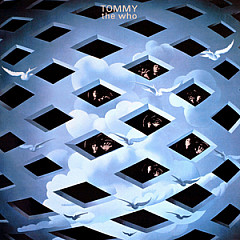
Pete Townshend wrote The Who's "Pinball Wizard" to coax a good review for the Tommy album out of a rock critic who loved pinball. It worked.
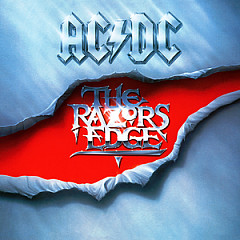
AC/DC's 1990 song "Mistress For Christmas" is about Donald Trump, who was in the news because of his affair with the model Marla Maples.
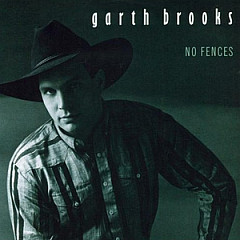
"Friends In Low Places" by Garth Brooks was written by two Nashville songwriters after a meal in a local restaurant. One of them forgot his money, but said not to worry, "I have friends in low places. I know the cook."
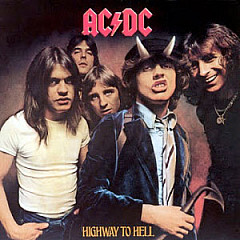
We ring the Hell's Bells to see what songs and rockers are sincere in their Satanism, and how much of it is an act.

What are the biggest US hits with French, Spanish (not "Rico Suave"), Italian, Scottish, Greek, and Japanese titles?
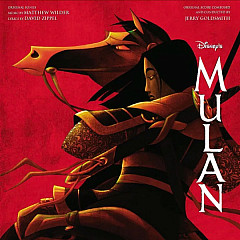
From "Some Day My Prince Will Come" to "Let It Go" - how Disney princess songs (and the women who sing them) have evolved.
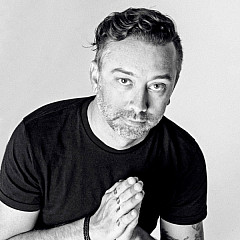
Rise Against frontman Tim McIlrath explains the meanings behind some of their biggest songs and names the sci-fi books that have influenced him.
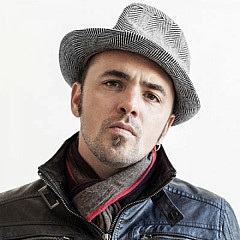
One of Canada's most popular and eclectic performers, Hawksley tells stories about his oldest songs, his plentiful side projects, and the ways that he keeps his songwriting fresh.
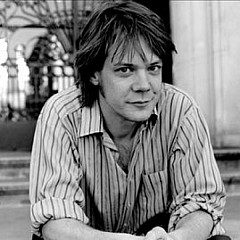
Dave explains how the video appropriated the meaning of "Runaway Train," and what he thought of getting parodied by Weird Al.