
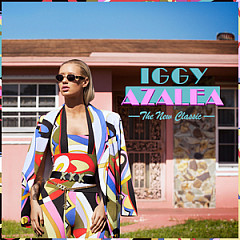
Katy Perry co-wrote Iggy Azalea's hit single "Black Widow." Perry was originally going to sing on the track, but she couldn't fit it into her schedule, so Rita Ora provided the sung vocals instead.
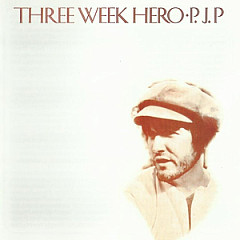
The first time Jimmy Page, Robert Plant, John Bonham and John Paul Jones all recorded together in the studio was when they backed American singer PJ Proby on his 1969 album Three Week Hero.
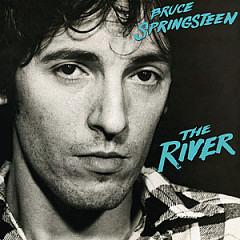
Bruce Springsteen originally wrote "Hungry Heart" for The Ramones, but decided to keep it for himself on the advice of his producer and manager, Jon Landau.

A pre-famous Rupaul is in the video for "Love Shack" by The B-52s. He had a solo hit with "Supermodel" a few years later.
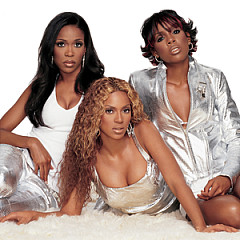
In 2004, the word "Bootylicious" made the Oxford English Dictionary, three years after the Destiny's Child song was released. Definition: "Blend of booty buttocks and delicious."
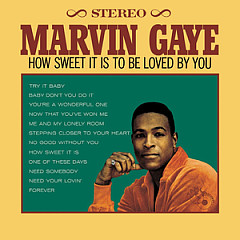
"How Sweet It Is To Be Loved By You" by Marvin Gaye was inspired by Jackie Gleason's saying, "How Sweet It Is!"
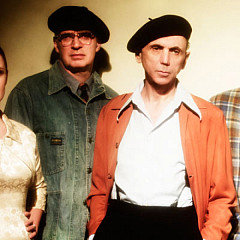
"Come On Eileen" was a colossal '80s hit, but the band - far more appreciated in their native UK than stateside - released just three albums before their split. Now, Dexys is back.
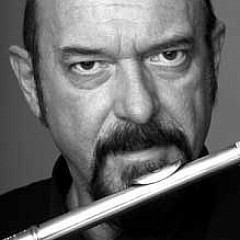
The flautist frontman talks about touring with Led Zeppelin, his contribution to "Hotel California", and how he may have done the first MTV Unplugged.
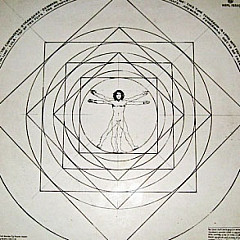
A history of songs dealing with transgender issues, featuring Pink Floyd, David Bowie, Morrissey and Green Day.
Does he have beef with Gaga? Is he Sean Lennon's godfather? See if you can tell fact from fiction in the Elton John edition.
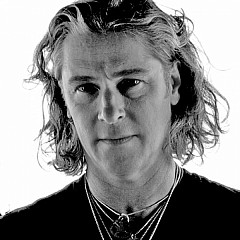
The stories behind "Shine," "December," "The World I Know" and other Collective Soul hits.
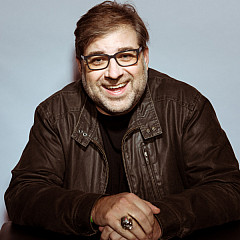
A top country songwriter, Barry talks about writing hits for Little Big Town, Tim McGraw and Jason Aldean.