Why Does it Have to Be (Wrong or Right)

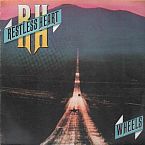
Album: Wheels (1986)
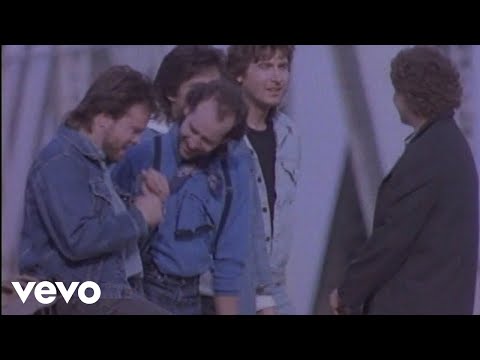
Play Video

Songfacts®:

  • This #1 Country hit is about adultery. The singer is seeing a married woman, who is trying to end the affair. The singer wonders to himself why does it have to be so cut and dry. Speaking to Songfacts in a 2013 interview, Restless Heart pianist and founding member Dave Innis recalled: "I remember thinking it was a little bit controversial at the time in terms of its content, but such a great feel."
  • This was written by the Nashville songwriters Donny Lowery and Randy Sharp. In 1986, Nashville had not yet experienced anything quite like Randy Sharp. A rebel in the ways of lyrical etiquette, he toed the line in terms of content and style and succeeded in producing hit upon hit upon hit.

    When he was paired with Don Lowery to co-write this song, Restless Heart didn't even exist. At the time, Tim DuBois, co-founder of Arista Records, was busy forming an idea. According to Randy, "The members of Restless Heart were all friends, and they were all working together all the time anyway. But Ted got the idea that these young sessions players that he was seeing at all the recording dates really should think about being their own band, because these guys were already a working ensemble."

    This song, says Randy, "Was so against the rules in almost every respect. And there was no pop side of country yet when we wrote that. It was a very straight country market. So Don and I were just writing to entertain each other. The premise of this song was really contrary to that very conservative country mentality. We're talking about basically, Why am I limited to one? Why do I have to just be in love with one person at a time? I had no expectation of that story line making it on Country radio. But the demo had all of those harmonies on it. So we were just being really indulgent and creating something that we were entertained by. And of course, being kind of young men at that time, both had asked ourselves that question more than once. And it was a legitimate question and a legitimate song. Just the idea of getting it cut in the Country… we just didn't see it happening."

    "But we turned it in, and it just happened Tim DuBois was looking to do a pop-country band with the best players in town, and they were looking for something that was really elaborate vocally, and was a little outside of the expected story lines. And we sent him that song, and the band got really excited and cut it, and it was actually a bit pop, too. Both country and pop, it's one of the 100 Most Played Songs."
  • One of the original crossover bands, Restless Heart was formed in 1984, boasting "the cream of the crop of the sessions players in Nashville," says Randy Sharp. "Their stuff got played in both country and pop formats a lot, and they were put together specifically to do something different, and a little bit more pop-ish."
  • Dave Innis told Songfacts that the band "did some minor editing" on the lyrics after hearing Sharp and Lowery's demo. He recalled: "One of the lines originally was, 'If you think this is not where you belong, there's no need to carry on.' And we changed it to, 'But we both know this is not where you belong, there's no need to carry on,' to make it more mutually responsible."

Comments

Be the first to comment...

Editor's Picks

Gary LeVox

Gary LeVoxSongwriter Interviews

On "Life Is A Highway," his burgeoning solo career, and the Rascal Flatts song he most connects with.

Jay, Peaches, Spinderella and other Darrining Victims

Jay, Peaches, Spinderella and other Darrining VictimsSong Writing

Just like Darrin was replaced on Bewitched, groups have swapped out original members, hoping we wouldn't notice.

Danny Kortchmar

Danny KortchmarSongwriter Interviews

Danny played guitar on Sweet Baby James, Tapestry, and Running On Empty. He also co-wrote many hit songs, including "Dirty Laundry," "Sunset Grill" and "Tender Is The Night."

Adam Duritz of Counting Crows

Adam Duritz of Counting CrowsSongwriter Interviews

"Mr. Jones" took on new meaning when the song about a misguided view of fame made Adam famous.

David Paich of Toto

David Paich of TotoSongwriter Interviews

Toto's keyboard player explains the true meaning of "Africa" and talks about working on the Thriller album.

Judas Priest

Judas PriestSongwriter Interviews

Rob Halford, Richie Faulkner and Glenn Tipton talk twin guitar harmonies and explain how they create songs in Judas Priest.