Sweet Surrender

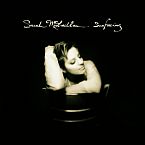
Album: Surfacing (1997)
Charted: 28
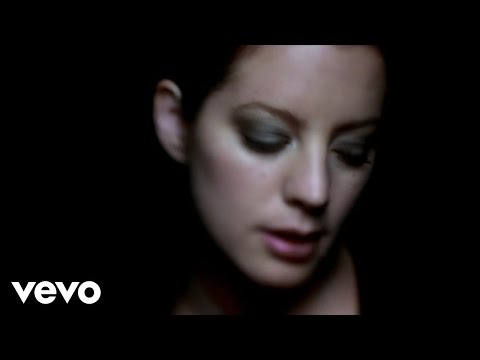
Play Video

Songfacts®:

  • In this song, Sarah McLachlan has nothing to give but sweet surrender. Fortunately, she's found a partner who accepts her, wanting nothing else in return. On her VH1 Storytellers appearance, she said the song is about "accepting ugly things and being able to appreciate the fact that someone can love you for all those nasty things when you think you are completely unlovable. There's some great comfort in that."
  • McLachlan drew inspiration from the 1995 movie Leaving Las Vegas, starring Nicolas Cage as an unrepentant alcoholic and Elisabeth Shue as a prostitute. They form a tight bond based on accepting each other for who they are, and never judging their choices. It's both romantic and tragic; both of their lifestyles are unsustainable but they're going to go down together.
  • "Sweet Surrender" was the second single from McLachlan's fourth album, Surfacing, following "Building A Mystery." If you went to the Lilith Fair, you probably bought the album - it sold over 8 million copies just in America. The singles from the album weren't huge hits (the next one, "Adia," was the biggest, going to #3 in the US) but the album hung around thanks to the publicity earned from Lilith Fair, which McLachlan organized. They singles were spread out so there always seemed to be one of her songs in rotation. "Sweet Surrender" peaked at #28 in February 1998, seven months after the album was released and six months after the first Lilith Fair ended. By the time "Adia" peaked in August, the second Lilith was well underway.
  • The music video was directed by Floria Sigismondi, known for her work on Marilyn Manson videos like "The Beautiful People" that come off like mini horror movies. It was an odd choice for McLachlan, whose videos typically follow a formula of tight shots of her face accompanied by random images in a golden tint. Sigismondi built in a storyline where McLachlan seems to encounter the ghost of herself, but most of the videos is shots of her singing.

    Sigismondi reportedly dissociated herself from the video after it was edited by McLachlan's label. She replaced her credit with Allen Smithee, a name directors assign when they're not happy with how their work has been befouled.

Comments

Be the first to comment...

Editor's Picks

Who's Johnny, And Why Does He Show Up In So Many Songs

Who's Johnny, And Why Does He Show Up In So Many SongsSong Writing

For songwriters, Johnny represents the American man. He has been angry, cool, magic, a rebel and, of course, marching home.

Zakk Wylde

Zakk WyldeSongwriter Interviews

When he was playing Ozzfest with Black Label Society, a kid told Zakk he was the best Ozzy guitarist - Zakk had to correct him.

Art Alexakis of Everclear

Art Alexakis of EverclearSongwriter Interviews

The lead singer of Everclear, Art is also their primary songwriter.

John Lee Hooker

John Lee HookerSongwriter Interviews

Into the vaults for Bruce Pollock's 1984 conversation with the esteemed bluesman. Hooker talks about transforming a Tony Bennett classic and why you don't have to be sad and lonely to write the blues.

Tim McIlrath of Rise Against

Tim McIlrath of Rise AgainstSongwriter Interviews

Rise Against frontman Tim McIlrath explains the meanings behind some of their biggest songs and names the sci-fi books that have influenced him.

80s Video Director Jay Dubin

80s Video Director Jay DubinSong Writing

Billy Joel and Hall & Oates hated making videos, so they chose a director with similar contempt for the medium. That was Jay Dubin, and he has a lot to say on the subject.