

"Tammy" by Debbie Reynolds was the only US #1 single by a female act between July 1956 and February 1958.
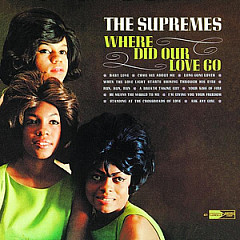
The Motown team of Holland-Dozier-Holland wrote "Where Did Our Love Go" with The Marvelettes in mind, but they turned it down. When The Supremes recorded the tune, Diana Ross was forced to sing in a lower, breathier style than she was used to because it wasn't written for her.
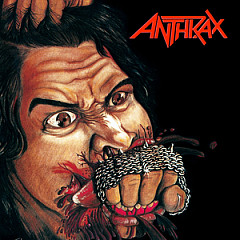
The 1984 Anthrax song "Metal Thrashing Mad" popularized the phrase "thrash metal," a faster version of heavy metal. "Thrash" dates back to 1982 though, when Metallica put the lyric "thrashing all around" in their song "Whiplash."
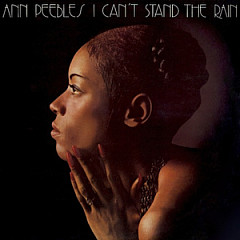
Ann Peebles' "I Can't Stand The Rain" originated from a comment made by the singer to her husband, Don Bryant, when they were preparing to head out to a blues show and it began tipping down with rain.
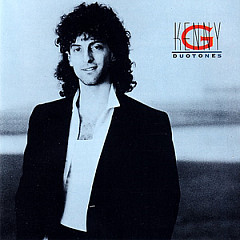
The Kenny G instrumental "Songbird" owes much of its success to VH1, which launched a year earlier and played the video to death.
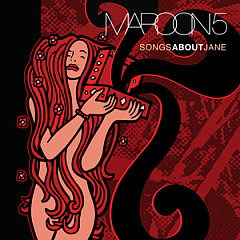
Adam Levine of Maroon 5 made it obvious who their song "This Love" was about when he named the album "Songs About Jane."

Is Owl City on a quest for another hit like "Fireflies?" Adam answers that question and explains the influences behind many others.
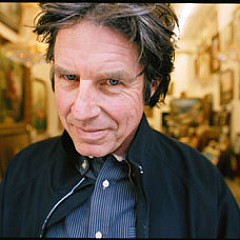
With his X-wife Exene, John fronts the band X and writes their songs.
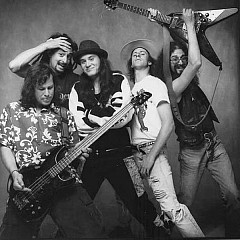
Faith No More's bassist, Billy Gould, chats to us about his two new experimental projects, The Talking Book and House of Hayduk, and also shares some stories from the FNM days.

The man who created Yacht Rock with "Sailing" wrote one of his biggest hits while on acid.

Oliver Leiber talks about writing and producing hits for Paula Abdul, and explains his complicated relationship with his father, the songwriter Jerry Leiber.

"How much does it cost? I'll buy it?" Another songwriter told Jonathan to change these lyrics. Good thing he ignored this advice.