
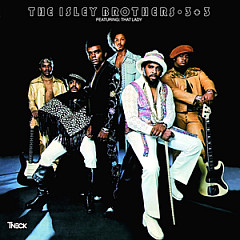
The Isley Brothers' "That Lady" was sampled by Kendrick Lamar for his 2014 single "I." Lamar turned up at Ronald Isley's house to personally ask permission to borrow from the song.
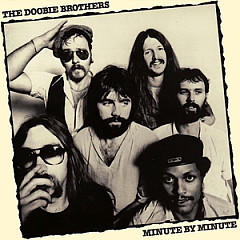
Kenny Loggins co-wrote the Doobie Brothers hit "What a Fool Believes," which is about a guy who just can't accept that an affair from long ago was meaningless to her.
The Red Hot Chili Peppers' biggest hit is "Under The Bridge," a ballad not typical of their sound. Frontman Anthony Kiedis wrote the lyric after an acute bout of loneliness.
"Name" by The Goo Goo Dolls was partly inspired by lead singer John Rzeznik's flirtation with the MTV VJ Kennedy, who didn't want him to tell anyone her real name.
Drake's "One Dance" was the first ever song to rack up one billion streams on Spotify.
Don't play "I Will Always Love You" at your wedding - Dolly Parton wrote it about leaving someone behind to strike out on her own.
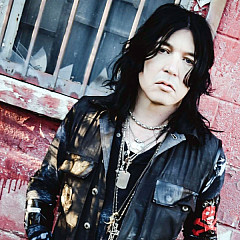
Tom talks about the evolution of Cinderella's songs through their first three albums, and how he writes as a solo artist.
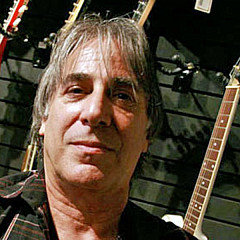
Danny played guitar on Sweet Baby James, Tapestry, and Running On Empty. He also co-wrote many hit songs, including "Dirty Laundry," "Sunset Grill" and "Tender Is The Night."
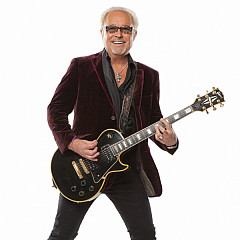
Foreigner's songwriter/guitarist tells the stories behind the songs "Juke Box Hero," "I Want To Know What Love Is," and many more.
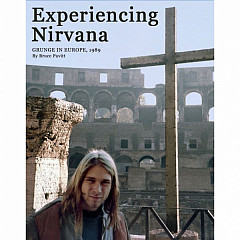
The man who ran Nirvana's first label gets beyond the sensationalism (drugs, Courtney) to discuss their musical and cultural triumphs in the years before Nevermind.
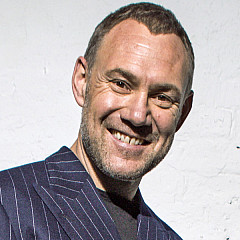
David Gray explains the significance of the word "Babylon," and talks about how songs are a form of active imagination, with lyrics that reveal what's inside us.
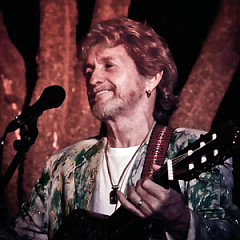
From the lake in "Roundabout" to Sister Bluebird in "Starship Trooper," Jon Anderson talks about how nature and spirituality play into his lyrics for Yes.