
This Is England

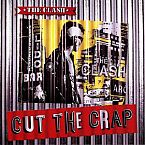
Album: Cut the Crap (1985)
Play Video

Songfacts®:

  • The atmosphere around the writing of Cut the Crap, the final Clash album and the only one the group produced after firing founder member Mick Jones and drummer Topper Headon, was notoriously difficult and edgy. Singer Joe Strummer would go on to basically ignore the whole period of 1984-5 as not even part of The Clash canon, except for "This Is England," which he regarded as his "last great Clash song." Guitarist of the period Nick Sheppard remembers a recording session where he added bass to the track and Joe describing it as "the only bit of the record (presumably describing the entire Cut the Crap album) with any bollocks on it!"
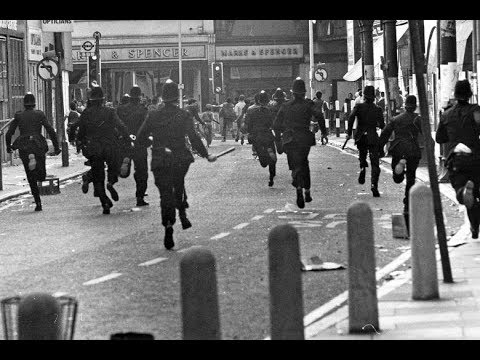
  • The lyrics, some of Joe Strummer's best, is a state-of-the-nation address for Britain as Strummer discusses the ills he sees around him - including the collapse of the British motorcycle production industry ("Black shadow of the Vincent falls on a Triumph line"), the harsh South Atlantic winter of 1984 that had seen many Britons die in freezing conditions ("South Atlantic wind blows, ice from a dying creed"), the wave of jingoistic patriotism that had accompanied Britain's victory in the Falklands War ("I see no glory, when will we be free"), and traditional old Clash themes of protest, police oppression and disillusionment ("Those British boots go kick Bengali in the head, police sit watchin', the newspapers been read, who cares to protest").
  • The music, also all written by Joe Strummer (who had to handle pretty much all songwriting duties after Mick Jones and Topper Headon were fired), included a multi-layered guitar riff and the best use of sampling on the Cut the Crap record (which is full of bad OTT sampling), in this case using a child's voice loop and a huge football crowd chant. The song suffers from the same weak drum machine patterns as the rest of the record, however.
  • The song became a popular addition to the post-Mick Jones Clash live show, and was played throughout the group's 1984 shows.

Comments: 2

  • Vickie from Vancouver IslandPeter is right. This song is out of date by a mile.
  • Peter from Ottawa, OnThis song was written in 1983 and speaks of problems of the time in Thatcher era England. Issues such as inner city crime, unemployment, racism, the Falklands War, dying British industry, and the rise of a nationalist sub-culture in the white lower classes.
see more comments

Editor's Picks

Loudon Wainwright III

Loudon Wainwright IIISongwriter Interviews

"Dead Skunk" became a stinker for Loudon when he felt pressure to make another hit - his latest songs deal with mortality, his son Rufus, and picking up poop.

The 10 Bands Most Like Spinal Tap

The 10 Bands Most Like Spinal TapSong Writing

Based on criteria like girlfriend tension, stage mishaps and drummer turnover, these are the 10 bands most like Spinal Tap.

Songs Discussed in Movies

Songs Discussed in MoviesSong Writing

Bridesmaids, Reservoir Dogs, Willy Wonka - just a few of the flicks where characters discuss specific songs, sometimes as a prelude to murder.

Barry Dean ("Pontoon," "Diamond Rings And Old Barstools")

Barry Dean ("Pontoon," "Diamond Rings And Old Barstools")Songwriter Interviews

A top country songwriter, Barry talks about writing hits for Little Big Town, Tim McGraw and Jason Aldean.

Name the Character in the Song

Name the Character in the SongMusic Quiz

With a few clues (Works at a diner, dreams of running away), can you name the character in the song?

Benny Mardones

Benny MardonesSongwriter Interviews

His song "Into The Night" is one of the most-played of all time. For Benny, it took him to hell and back.