

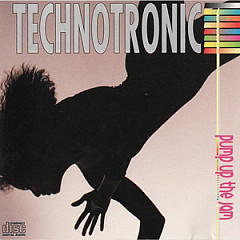
The first Eurodance hit in America was "Pump Up The Jam" by Technotronic in 1989. It led to a wave of Eurodance hits from the likes of Black Box, Snap! and C+C Music Factory in the early '90s.
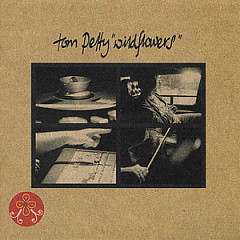
Tom Petty was a big star on MTV, but he ran afoul of their policies with the line "let's roll another joint" in "You Don't Known How It Feels." The network ended up reversing the word "joint" so it was unintelligible, then giving the video a VMA for Best Male Video.
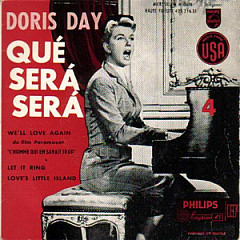
"Que Sera, Sera (Whatever Will Be, Will Be)" was written for Doris Day to sing in the Alfred Hitchcock movie The Man Who Knew Too Much.
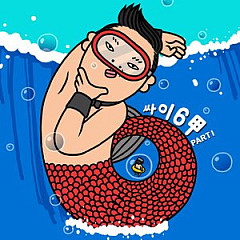
Psy's "Gangnam Style" refers to a section of Seoul, South Korea, that is very fashionable. The guy in the song has all the right moves and loves the ladies.
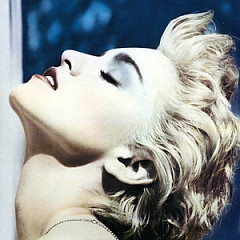
It wasn't one of her biggest hits, but "La Isla Bonita" (from 1986) emerged as one of Madonna's top songs in the age of streaming thanks to widespread usage on TikTok. Creators who visit an island or just want that mood often use it as a soundtrack.
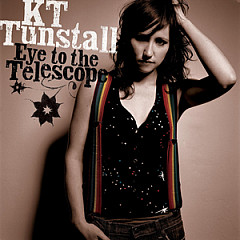
KT Tunstall's "Suddenly I See" was inspired by Robert Mapplethorpe's photograph of Patti Smith on the cover of her album Horses.
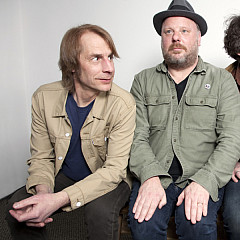
When he was asked to write a song for the Singles soundtrack, Mark thought the Seattle grunge scene was already overblown, so that's what he wrote about.
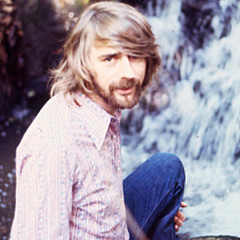
His keyboard work helped define the Muscle Shoals sound and make him an integral part of many Neil Young recordings. Spooner is also an accomplished songwriter, whose hits include "I'm Your Puppet" and "Cry Like A Baby."
We've heard of artists putting their hearts into their music, but some take it literally.
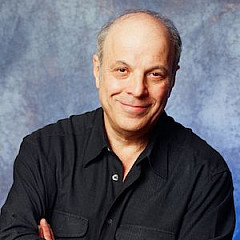
After studying in Paris with a famous composition teacher, Charles became the most successful writer of TV theme songs.
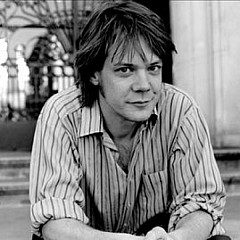
Dave explains how the video appropriated the meaning of "Runaway Train," and what he thought of getting parodied by Weird Al.
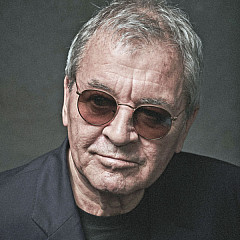
Deep Purple frontman Ian Gillan explains the "few red lights" in "Smoke On The Water" and talks about songs from their 2020 album Whoosh!