
Ativan

Album: Automatic (2025)
Play Video

Songfacts®:

  • This is a strange type of love song between a person and their anti-anxiety medication, Ativan - from the perspective of the drug itself. The idea evolved from a melody Lumineers drummer Jeremiah Fraites came up with and shared with lead singer Wesley Schultz.

    "I loved it, but I felt it could turn into a thousand other love songs you've already heard," Schultz recalled in a 2025 interview with The Sun. "He name-dropped Ativan in the demo, so I thought, 'Wouldn't it be interesting to write a love song from the perspective of the drug - a sales pitch from it to the potential user?' For me, it accidentally became about how we're numbing out in today's world, tamping down our feelings."
  • With their fifth album, Automatic, the Lumineers explore the absurdities of the modern world and the methods people use to cope, whether it's popping pills or seeking validation on social media, where it's increasingly hard to discern what's real and what's not. But it wasn't a concept they had in mind when they entered the studio.

    "It wasn't on purpose," Schultz said. "It just came oozing out. Our children aren't at the age where they experience all this stuff yet, but they’re going to be really quickly. Whoa! How are they going to navigate it all?"
  • Prior to recording the album, the Lumineers watched Peter Jackson's documentary Get Back, which chronicles the making of the 1970 Beatles album, Let It Be. Schultz told The Colorado Sound how the film influenced the creation of Automatic.

    "I think one of the things they did really well as a band - and it sounds like it should be obvious - is that they played so well together. That was like their magic. They spent all these years in Hamburg cutting their teeth and getting tight and just harmonizing, and they just gelled in this almost otherworldly way," he said.

    The band wanted to capture a bit of Beatles magic in their own recordings, outfitting producer David Baron's Woodstock-based Utopia studio in the style of London's famed Abbey Road Studios, where the Fab Four often made music. They even changed their approach to recording, performing in the same space to capture their chemistry.

    Schultz continued: "A lot of the previous recordings we had recorded separately, and this was one of the first times where we tried to do a whole album where we were recording at the same time, doing our takes together and not multi-tracking and doing it separately. Which is a very normal thing to do in the modern era, it gives the engineers a lot more power to edit. But in this case, we did it all together and it probably drove the engineer a little crazy, but it worked."

Comments

Be the first to comment...

Editor's Picks

Greg Lake of Emerson, Lake & Palmer

Greg Lake of Emerson, Lake & PalmerSongwriter Interviews

Greg talks about writing songs of "universal truth" for King Crimson and ELP, and tells us about his most memorable stage moment (it involves fireworks).

Gary Brooker of Procol Harum

Gary Brooker of Procol HarumSongwriter Interviews

The lead singer and pianist for Procol Harum, Gary talks about finding the musical ideas to match the words.
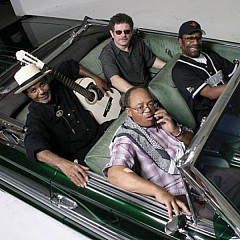
Harold Brown of War

Harold Brown of WarSongwriter Interviews

A founding member of the band War, Harold gives a first-person account of one of the most important periods in music history.
Tom Waits Lyrics Quiz

Tom Waits Lyrics QuizMusic Quiz

Pool balls, magpies and thorns without roses - how well do you know your Tom Waits lyrics?
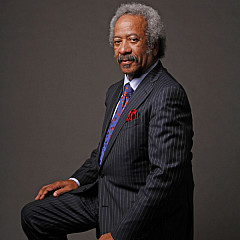
Allen Toussaint - "Southern Nights"

Allen Toussaint - "Southern Nights"They're Playing My Song

A song he wrote and recorded from "sheer spiritual inspiration," Allen's didn't think "Southern Nights" had hit potential until Glen Campbell took it to #1 two years later.
Strange Magnetics

Strange MagneticsSong Writing

How Bing Crosby, Les Paul, a US Army Signal Corps Officer, and the Nazis helped shape rock and Roll.