Then Came You

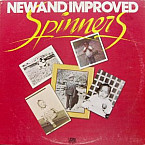
Album: New And Improved (1974)
Charted: 29 1
Play Video

Songfacts®:

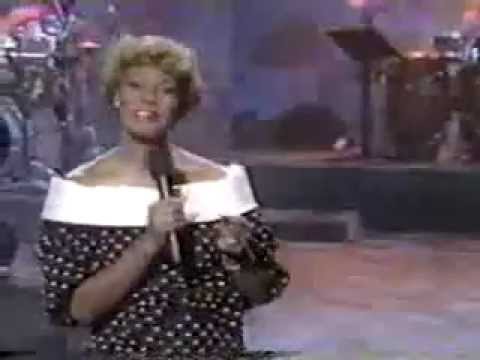
  • The Spinners got together with Dionne Warwick on this ebullient song where they find love for the first time. Many of the group's hits are about the dark side of love ("It's A Shame," "I'll Be Around"), but this one is more like "Could It Be I'm Falling In Love," where it's fresh and exciting.
  • Dionne Warwick first joined forces with The Spinners in the summer of 1973 when they toured together for seven weeks. The Spinners were produced by Thom Bell, who came up with the idea of pairing them on a song. Bell was a principal at Philadelphia International Records, where he add access to a team of songwriters and musicians (The Spinners were signed to Atlantic, which contracted Bell). He assigned two writers - Sherman Marshall and Philip Pugh - the task of coming up with the right song. They delivered "Then Came You," which after some tweaks by Bell, he thought was perfect for their collaboration.

    The last week of the tour was a run in Las Vegas, a Dionne Warwick stronghold. Bell came to the last show, and afterward, told them he had a song for them to record. Warwick wasn't impressed with it but got onboard with the idea. They recorded it at Sigma Sound Studios in Philly with Bell producing, and released the song in the summer of 1974. In October, it rose to #1 in America, the only Hot 100 chart topper for either Warwick or The Spinners.
  • The Spinners had two tenor vocalists who often shared leads: Bobbie Smith and Philippé Wynne. On "Then Came You," Smith sings with Warwick for most of the song, then Wynne comes in at the end to take it home, doing some interplay with Warwick where they exalt in their newfound love. Producer Thom Bell had them sing together in the same booth to get the right feel, something Marvin Gaye and Tammi Terrell did on their duets.
  • Warwick and The Spinners were on different trajectories when they came together for this song. Warwick had a great run in the '60s, landing hit after hit with songs written by Burt Bacharach and Hal David. When she moved to Warner Bros. Records in 1972, her hits dried up. The Spinners were at Motown Records from 1963-1972 with little to show for it, but their move to Atlantic Records in 1972 jumpstarted a string of hits produced by Thom Bell. Warwick was a bigger live draw, but The Spinners were making hits. "Then Came You" gave them both a nice bump. The Spinners had a few more big hits over the next few years, but Warwick didn't land any more until 1979, when she got her groove back with "I'll Never Fall in Love Again."
  • "Then Came You" was included on The Spinners album New And Improved in late 1974, then was used as the title track to Dionne Warwick's album in 1975. There were plans for both acts to record an entire album together, but those never materialized.

Comments

Be the first to comment...

Editor's Picks

Don Dokken

Don DokkenSongwriter Interviews

Dokken frontman Don Dokken explains what broke up the band at the height of their success in the late '80s, and talks about the botched surgery that paralyzed his right arm.

Real or Spinal Tap

Real or Spinal TapMusic Quiz

They sang about pink torpedoes and rocking you tonight tonight, but some real lyrics are just as ridiculous. See if you can tell which lyrics are real and which are Spinal Tap in this lyrics quiz.

Zac Hanson

Zac HansonSongwriter Interviews

Zac tells the story of Hanson's massive hit "MMMbop," and talks about how brotherly bonds effect their music.

Incongruent Opening Acts

Incongruent Opening ActsSong Writing

Here's what happens when an opening act is really out of place with the headliner, like when Beastie Boys opened for Madonna.

Narada Michael Walden - "Freeway of Love"

Narada Michael Walden - "Freeway of Love"They're Playing My Song

As a songwriter and producer, Narada had hits with Aretha Franklin, Whitney Houston, Mariah Carey and Starship. But what song does he feel had the greatest impact on his career?

Phone Booth Songs

Phone Booth SongsSong Writing

Phone booths are nearly extinct, but they provided storylines for some of the most profound songs of the pre-cell phone era.