The Waterboys

The Waterboys Artistfacts

  • 1983-
    Mike ScottLead vocals, guitar, piano, keyboards, bass1983-
    Anthony ThistlethwaiteSaxophone, mandolin, bass, harmonica1983-1991
    Kevin WilkinsonDrums, bass1983-1985
    Karl WallingerKeyboards1983-1985
    Roddy LorimerTrumpet1983-2007
    Chris WhittenDrums1984-1985
    Trevor HutchinsonBass1986–1991
    Colin BlakeyPiano, organ, flute1987-1990
    Steve WickhamFiddle, mandolin1985–1990, 2001–
    Brother Paul BrownKeyboards2013-
  • The Waterboys are a shifting musical collective built around Scottish singer-songwriter Mike Scott, who has been the only permanent member. They moved from the "big music" of early tracks like "The Whole Of The Moon" to the Celtic folk and rock of "Fisherman's Blues." Scott's songs about spiritual searching are carried by a changing cast of players, including Karl Wallinger, Steve Wickham, and Anthony Thistlethwaite.
  • Mike Scott formed The Waterboys in London in 1983 after playing in several earlier groups, including Another Pretty Face, Funhouse, and The Red and the Black.
  • Scott took the name from "The Kids," a song on Lou Reed's 1973 album Berlin. He liked the sound of the word before he even knew what it meant. "I'm from the UK so the word 'waterboy,' it was just a mysterious word and I liked it," Scott told Rock and Roll Globe. He later decided it suited the band, noting, "Waterboys bring water to thirsty people."

    In America, a waterboy is the guy who brings water to the players on a football team when they're thirsty. They're often disrespected, but in the 1998 Adam Sandler movie The Waterboy, one of them proves his worth.
  • The band's early sound was labeled "the big music," a phrase borrowed from the lead single on their second album, A Pagan Place. Scott originally called it "a metaphor for seeing God's signature in the world." Years later, he admitted to ABC Radio National's Geoff Wood that it was a clumsy youthful explanation, clarifying that the phrase simply meant feeling a spiritual stirring inside.
  • The synth-heavy arrangement of "The Whole of the Moon" was a deliberate imitation of Prince, which keyboardist Karl Wallinger was able to translate into the arrangement.

    Scott had introduced Wallinger to Prince after discovering the artist during a trip home to Scotland in the summer of 1984. "I was in a record shop in Scotland, where I lived as a teenager, and I was back visiting my mum," he recalled to Songfacts. "I was in this little, funky independent record shop and there was this incredible guitar solo playing. It was modern, but classic, like someone had teleported Jimi Hendrix onward into the future. And I said to the guy behind the counter, 'What the heck is that?' And he showed me the sleeve of the Purple Rain album."

    Scott bought the record on the spot and immediately played "Purple Rain" for Wallinger back in London. That newfound Prince influence directly shaped the synth-heavy production of "The Whole of the Moon."
  • Around the time of their 1988 album Fisherman's Blues, during the band's peak commercial success, Scott famously declined all interviews for four years. He avoided pressure from record executives by refusing to hire a manager.
  • Violin player Steve Wickham originally joined as a guest, adding fiddle to "The Pan Within" late in the sessions for This Is the Sea after Scott heard him on a Sinéad O'Connor demo recorded at Wallinger's house. Wickham became a full-time member after Wallinger left to form World Party.
  • In 2026, Scott admitted that he thought he had exhausted the archives when compiling the massive Fisherman's Box set in 2013. However, the label Blue Raincoat audited the vault and uncovered dozens of multitrack tapes labeled only as "jam" or "soundcheck." Scott told Mojo he discovered forgotten recordings he had no memory of playing. These tracks were compiled into Atlantic Rain: The Lost Fisherman's Blues Recordings, a three-disc collection released in July 2026.

Comments

Be the first to comment...

Editor's Picks

N.W.A vs. the World

N.W.A vs. the WorldSong Writing

How the American gangsta rappers made history by getting banned in the UK.

Country Song Titles

Country Song TitlesFact or Fiction

Country songs with titles so bizarre they can't possibly be real... or can they?
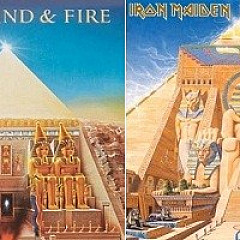
Album Cover Inspirations

Album Cover InspirationsSong Writing

Some album art was at least "inspired" by others. A look at some very similar covers.
Joan Armatrading

Joan ArmatradingSongwriter Interviews

The revered singer-songwriter talks inspiration and explains why she put a mahout in "Drop the Pilot."

Carol Kaye

Carol KayeSongwriter Interviews

A top session musician, Carol played on hundreds of hits by The Beach Boys, The Monkees, Frank Sinatra and many others.
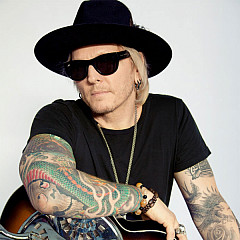
Matt Sorum

Matt SorumSongwriter Interviews

When he joined Guns N' Roses in 1990, Matt helped them craft an orchestral sound; his mezzo fortes and pianissimos are all over "November Rain."