I Am A Cider Drinker

Album: Finest Harvest of the Wurzels (1976)
Charted: 3
Play Video

Songfacts®:

  • This song is a parody of "Una Paloma Blanca;" it was released in the UK in June 1976. >>>
    Suggestion credit:
    Alexander Baron - London, England
  • For those of you just joining us, who have listened to the song and are now wondering what the heck is going on, we're here to soothe all you troubles away - Oh Argh Oh Argh Ay! Because, despite what sounds like the pirate from Lazytown singing lyrics that were written by Popeye and set to music by Weird Al Yankovich's band, this is the Wurzels, the founders of the "Scrumpy and Western" genre.
    Wait, what's Scrumpy and Western? It's a British genre centered around England's West Country region. It is a humorous folk-music genre all the way, using the area's local accent, dialect, and attitude to sing about farming, cider, dung, cows, combine harvesters, and other aspects of the British farming industry. It usually also parodies American country & western music, or if not then other popular US and UK genres. The lyrics typically involve a good deal of bawdiness, with plenty of drinking and getting under the skirt of a few farmer's daughters.
    We weren't kidding when we said they founded "Scrumpy and Western" - that's the title of their 1967 EP. Look for it near the bottom of the singles listing on their official site.
  • Wait, why are all The Wurzels songs parodies of other songs? Well, mostly because their frontman, Adge Cutler, tragically died in a car accident in 1974. That was their songwriter, so after their song catalog was exhausted, the band turned to the Yankovich path of re-written popular pop songs.
  • Wait, why does the band sound like they're all pirates? Brace yourself for a shock, because what typically passes for a pirate accent (especially in the US) is actually a West Country, England accent. This region generally includes Bristol, Cornwall, Devon, Dorset, Somerset, Gloucestershire, Herefordshire and Wiltshire. On the map, it's the west-pointing "tail" of England. Gilbert and Sullivan set The Pirates of Penzance in Cornwall, which first planted the association between pirates and West Country, England accents. Then Robert Louis Stevenson comes along three years later and also starts the novel Treasure Island off in a seaside village in South-West England. By then, the sound of a West England accent was firmly associated with pirates.
    Nor is that association necessarily wrong - West England is the business end of the British seafaring and fishing trade, and two famous pirates hailed from the area, namely Blackbeard from Bristol and Sir Francis Drake came from Devon. So there you go!

Comments: 3

  • Me from AdelaideYou're so wrong Peter.
  • Peterm from Birmingham, United KingdomThis is terrible; cliched and boring, not funny at all. Find something else NOW!
  • Kendra from Sacramento, CaI have never heard this song
see more comments

Editor's Picks

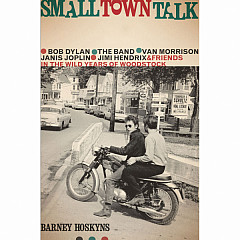
Barney Hoskyns Explores The Forgotten History Of Woodstock, New York

Barney Hoskyns Explores The Forgotten History Of Woodstock, New YorkSong Writing

Our chat with Barney Hoskyns, who covers the wild years of Woodstock - the town, not the festival - in his book Small Town Talk.
Kerry Livgren of Kansas

Kerry Livgren of KansasSongwriter Interviews

In this talk from the '80s, the Kansas frontman talks turning to God and writing "Dust In The Wind."
Spot The Real Red Hot Chili Peppers Song Titles

Spot The Real Red Hot Chili Peppers Song TitlesMusic Quiz

The Red Hot Chili Peppers have some rather unusual song titles - see if you can spot the real ones.
Grateful Dead Characters

Grateful Dead CharactersMusic Quiz

Many unusual folks appear in Grateful Dead songs. Can you identify them?
Richie Wise (Kiss producer, Dust)

Richie Wise (Kiss producer, Dust)Songwriter Interviews

Richie talks about producing the first two Kiss albums, recording "Brother Louie," and the newfound appreciation of his rock band, Dust.

Tim McIlrath of Rise Against

Tim McIlrath of Rise AgainstSongwriter Interviews

Rise Against frontman Tim McIlrath explains the meanings behind some of their biggest songs and names the sci-fi books that have influenced him.