


It was never a big hit, but the uplifting "Mr. Blue Sky" has endured as Electric Light Orchestra's most popular song. Group leader Jeff Lynne wrote it when after two weeks of gloomy weather, the clouds parted to reveal a beautiful day.
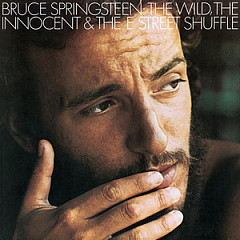
Bruce Sprinsteen said "Rosalita (Come Out Tonight)" was "the best love song I ever wrote."
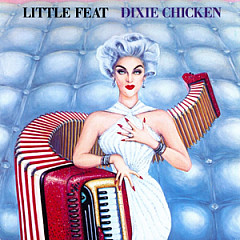
The Dixie Chicks got their name from the Little Feat song "Dixie Chicken." In 2020 they became "The Chicks" because Dixie refers to the American South in times of slavery.
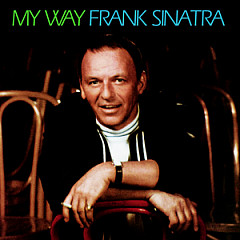
According to Frank Sinatra's daughter, he hated "My Way," but had to sing it at every show when it became his signature song.
"Margaritaville" is a state of mind, but it's most associated with Key West, Florida, where Jimmy Buffett moved when he was 24.
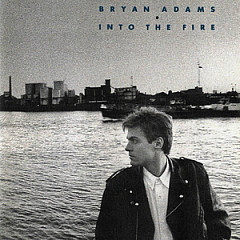
Bryan Adams' 1987 song "Heat Of The Night" has the distinction of being the first commercially released cassette single in the US.
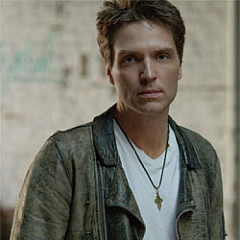
Richard explains how Joe Walsh kickstarted his career, and why he chose Hazard, Nebraska for a hit.
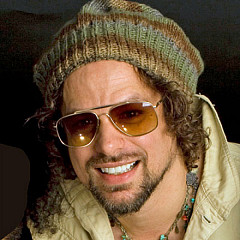
Michael tells the story of "Send Me On My Way," and explains why some of the words in the song don't have a literal meaning.
We've heard of artists putting their hearts into their music, but some take it literally.
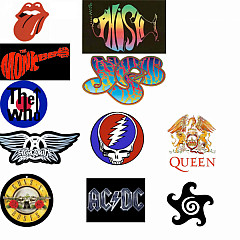
Queen, Phish and The Stones are among our picks for the best band logos. Here are their histories and a design analysis from an expert.
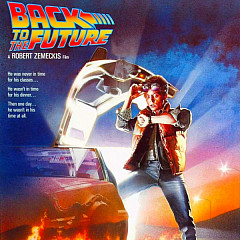
Bradley Cooper, Michael J. Fox, Rami Malek, Reese Witherspoon, Gwyneth Paltrow and George Clooney: Which actors really sang in their movies?
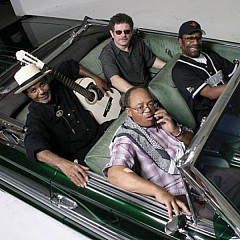
A founding member of the band War, Harold gives a first-person account of one of the most important periods in music history.