
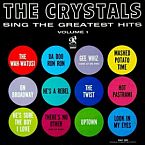
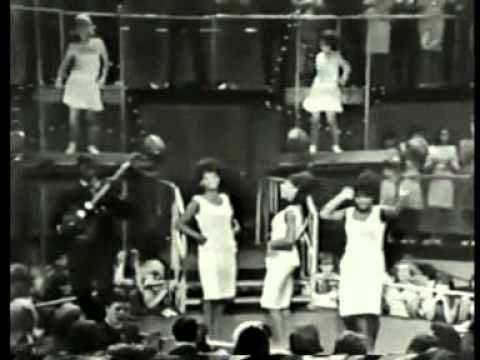
 La La Brooks, Rachelle Spector, Art Cohen (La La's manager). When Rachelle asked her husband, Phil Spector, if Darlene Love cut a lead vocal for "Da Doo Ron Ron," he said that she didn't, and he always had La La pegged for the song.
The Nicolette Larson hit "Lotta Love" was written by Neil Young, who recorded a very different version of the song.
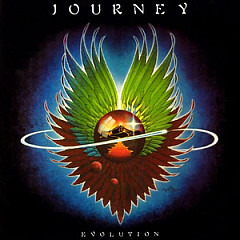
Journey lead singer Steve Perry wrote the rather dramatic "Lovin', Touchin', Squeezin'" with the opening lyrics, "You make me weep, I wanna die," after seeing his girlfriend kissing another man.
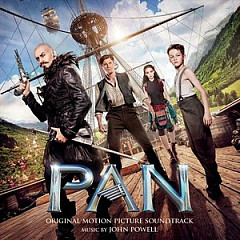
Lily Allen wrote "Something's Not Right" for the soundtrack of the Peter Pan prequel, Pan. The song was inspired by the heartache that Allen experienced after suffering a miscarriage when she was six months pregnant with her first child by husband Sam Cooper in 2010.
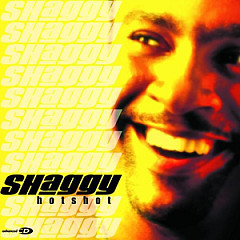
"It Wasn't Me" by Shaggy was based on an Eddie Murphy comedy bit where he would deny everything no matter how badly he was caught.
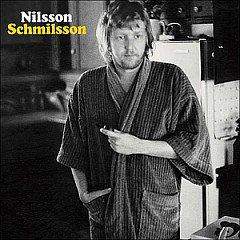
The song "Without You," a hit for Nilsson in 1972 and Mariah Carey in 1994, was written and originally recorded by Badfinger in 1970.
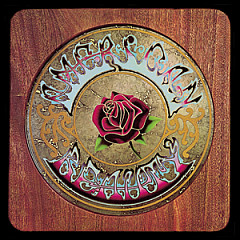
"Truckin'" was written as the Grateful Dead were starting their long, strange trip, settling into a life of constant touring. They rode busses and holed up in modest hotels to stay grounded.
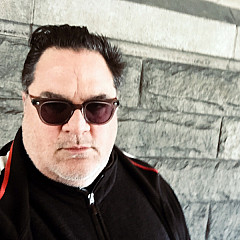
Director Mark Pellington on Pearl Jam's "Jeremy," and music videos he made for U2, Jon Bon Jovi and Imagine Dragons.
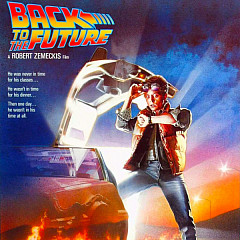
Bradley Cooper, Michael J. Fox, Rami Malek, Reese Witherspoon, Gwyneth Paltrow and George Clooney: Which actors really sang in their movies?
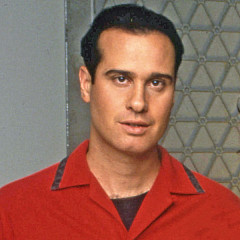
Stone Temple Pilots bass player Robert DeLeo names the songs that have most connected with fans and tells the stories behind tracks from their Tiny Music album.
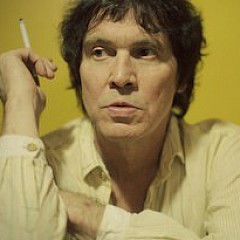
Since his debut single "I'm On Fire" in 1975, Dwight has been providing Spinal-Tap moments and misadventure.
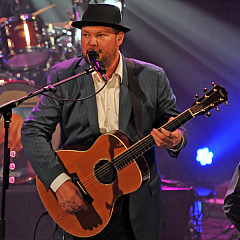
The man who created Yacht Rock with "Sailing" wrote one of his biggest hits while on acid.
Untangling the events that led to the "Stairway To Heaven" lawsuit.