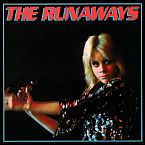
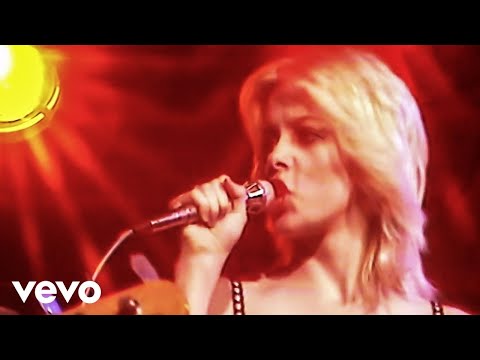
 The poster for the 2010 movie The Runaways. That same year, the Go-Go's announced their farewell tour, which was aborted when Jane Wiedlin fell off a cliff (really). Will the Go-Go's get the same cinematic treatment? They certainly deserve it based on their success in the punk scene which led to a #1 pop album - the first by a girl group who played their own instruments. For an interesting read, check out our interview with Go-Go's guitarist Charlotte Caffey.
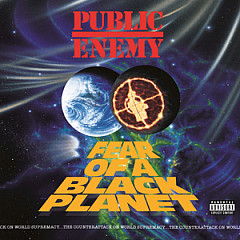
"Fight The Power" was written for the Spike Lee movie Do The Right Thing. It opens the film and serves as the motif.
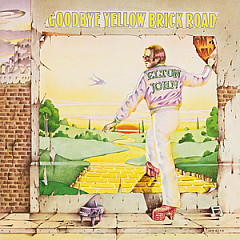
Marilyn Monroe is the subject of Elton John's "Candle In The Wind," but the song is really a look at how we react to celebrities who die young.
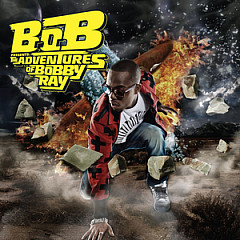
"Airplanes" by B.o.B was written by Lupe Fiasco, who recorded it but decided to pass.
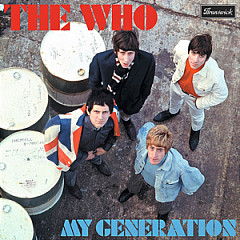
Roger Daltrey stutters the vocal on "My Generation" by The Who. The idea was to sound like a British kid on speed.
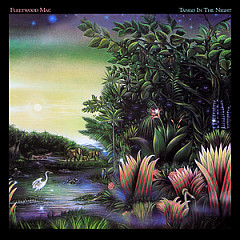
"Big Love" is a showcase song for Lindsey Buckingham and the first single from Fleetwood Mac's 1987 album Tango In The Night, but he left the group soon after the album was released and the band didn't perform it live until he returned 10 years later.
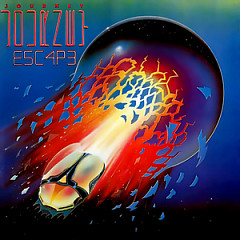
The "Don't Stop Believin'" resurgence started when the Journey song was used in a roller skating scene of the 2003 movie Monster.
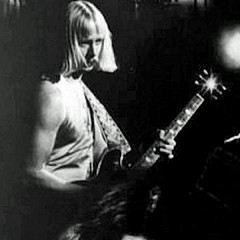
In this talk from the '80s, the Kansas frontman talks turning to God and writing "Dust In The Wind."
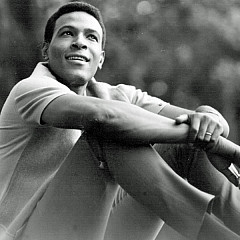
Did Marvin try out with the Detroit Lions? Did he fake crazy to get out of military service? And what about the cross-dressing?
Even before Soundgarden wrote a song about him, Artis was the most famous spoon player of all time. So why has he always been broke?
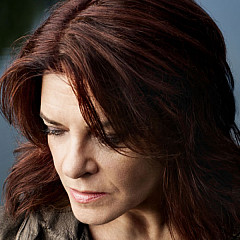
Rosanne talks about the journey that inspired her songs on her album The River & the Thread, including a stop at the Tallahatchie Bridge.
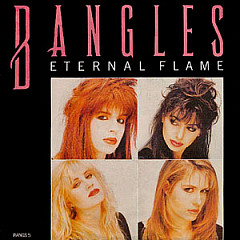
The Prince-penned "Manic Monday" was the first song The Bangles heard coming from a car radio, but "Eternal Flame" is closest to Susanna's heart, perhaps because she sang it in "various states of undress."