

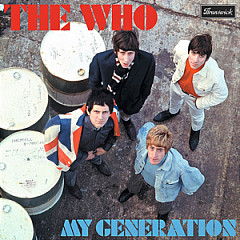
Roger Daltrey stutters the vocal on "My Generation" by The Who. The idea was to sound like a British kid on speed.
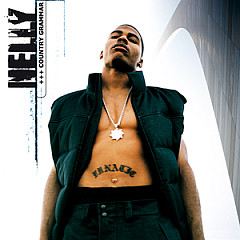
Nelly's "Country Grammar" is a celebration of his hometown of St. Louis, which some folks from the coasts consider "country" because it's in the Midwest.

The events described in Alanis Morissette's song "Ironic," like rain on your wedding day, are not examples of irony. Irony is the use of words to convey the opposite of their literal meaning.
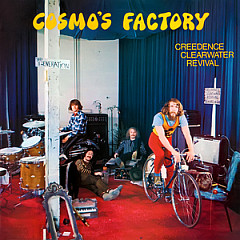
The CCR song "Run Through the Jungle" is about gun control.
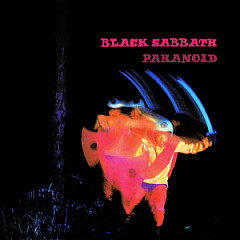
"Paranoid" reflects a feeling Black Sabbath bass player Geezer Butler often felt after using drugs.
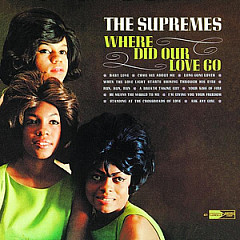
The Motown team of Holland-Dozier-Holland wrote "Where Did Our Love Go" with The Marvelettes in mind, but they turned it down. When The Supremes recorded the tune, Diana Ross was forced to sing in a lower, breathier style than she was used to because it wasn't written for her.

Don breaks down "Hotel California" and other songs he wrote as a member of the Eagles. Now we know where the "warm smell of colitas" came from.

Ian talks about his 3 or 4 blatant attempts to write a pop song, and also the ones he most connected with, including "Locomotive Breath."
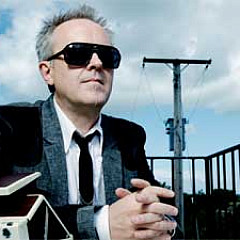
Howard explains his positive songwriting method and how uplifting songs can carry a deeper message.
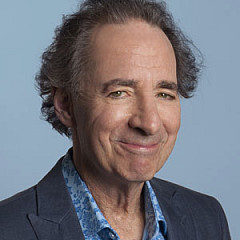
Harry is Derek Smalls in Spinal Tap, Mark Shubb in The Folksmen, and Mr. Burns on The Simpsons.
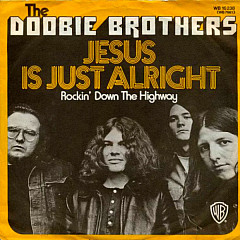
These overtly religious songs crossed over to the pop charts, despite resistance from fans, and in many cases, churches.

Petula talks about her hits "Downtown" and "Don't Sleep In The Subway," and explains her Michael Jackson connection.