

Despite his hit "Forever In Blue Jeans," Neil Diamond was rarely seen in denim. He said the jeans are a symbol for how "the simple things are really the important things."
The third verse of "Mmm Mmm Mmm Mmm" by Crash Test Dummies ("they shook and lurched all over the church floor...") was inspired by girl whose parents would speak in tongues at their Pentecostal service.
The Genesis song "Invisible Touch" was inspired by the Prince-written Sheila E. track "The Glamorous Life."
In "I Walk The Line," Johnny Cash hums before each verse. He did this to get his pitch, as the song changes key several times.
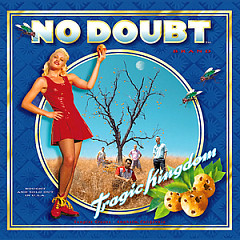
No Doubt's hit "Don't Speak" is about Gwen Stefani's breakup with the band's bass player, Tony Kanal, after seven years together.
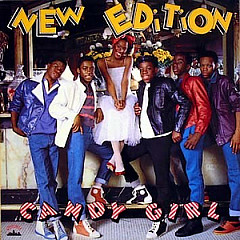
In the UK, the first #1 hit with a rap was "Candy Girl" by the American boy band New Edition in 1983.

If you can recall the days when MTV played videos, you know that there are lots of stories to tell. See if you can spot the real ones.

Rise Against frontman Tim McIlrath explains the meanings behind some of their biggest songs and names the sci-fi books that have influenced him.

The rock revolutionist on songwriting, quitting smoking, and what she thinks of Rush Limbaugh using her song.
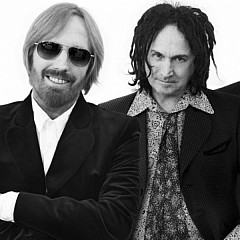
Mike is lead guitarist with Tom Petty & the Heartbreakers, and co-writer of classic songs like "Boys Of Summer," "Refugee" and "The Heart Of The Matter."

The man who created Yacht Rock with "Sailing" wrote one of his biggest hits while on acid.