
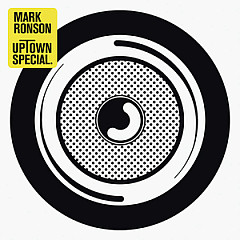
The actress Michelle Pfeiffer gets namechecked in the 2014 megahit "Uptown Funk" ("Michelle Pfeiffer, that white gold"). When it was released, "Riptide" by Vance Joy was on the charts; that song also mentions her ("Closest thing to Michelle Pfeiffer that you've ever seen").
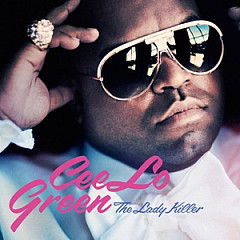
The dirty version of Cee-Lo Green's "Forget You" contains 16 F-bombs. He recorded a clean version as an afterthought, "just in case."
The motto for Boys Town, which was a Nebraska home for troubled youth, inspired the song "He Ain't Heavy, He's My Brother" by The Hollies.
"The Cave" by Mumford & Sons is based on the philosophy of Plato and his work called "Allegory of the Cave."
Christina Perri's "Jar Of Hearts," written about her ex, became a big hit after it was used in a routine on So You Think You Can Dance.
Americans know the song "I'm Gonna Be (500 Miles)" by The Proclaimers thanks to the 1993 Johnny Depp movie Benny & Joon, where it plays in the opening scene. The song was first released in 1988 but got little attention in the US until it showed up in the film.

Greg talks about writing songs of "universal truth" for King Crimson and ELP, and tells us about his most memorable stage moment (it involves fireworks).
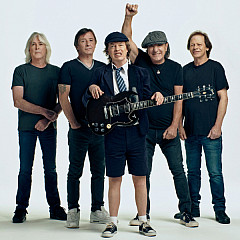
Does Angus really drink himself silly? Did their name come from a sewing machine? See if you can spot the real stories about AC/DC.
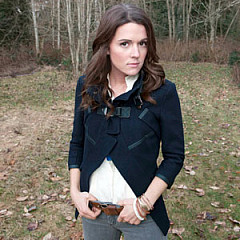
As a 5-year-old, Brandi was writing lyrics to instrumental versions lullabies. She still puts her heart into her songs, including the one Elton John sings on.
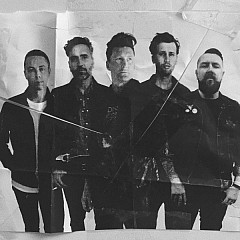
The lead singer/lyricist for Anberlin breaks down "Impossible" and covers some tracks from their 2012 album Vital.
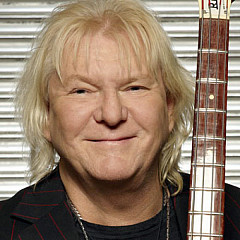
One of the most dynamic bass player/songwriters of his time, Chris is the only member of Yes who has been with the band since they formed in 1968.
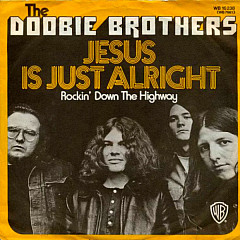
These overtly religious songs crossed over to the pop charts, despite resistance from fans, and in many cases, churches.