
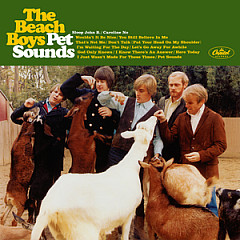
"Sloop John B" is a traditional West Indian folk song, and it was a huge hit for The Beach Boys in 1966. They tweaked the lyric, "This is the worst trip since I've been born" to "...I've ever been on" as a wink to acid culture.
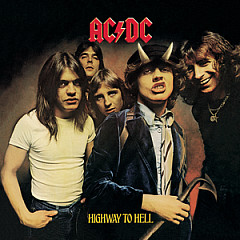
The "Highway To Hell" is the Canning Highway in Australia, which seems to go on forever, at least according to AC/DC.
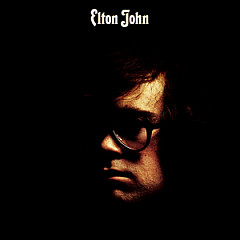
Bernie Taupin was 17 when he wrote the lyrics to Elton John's "Your Song." Looking back, he says it's "one of the most naïve and childish lyrics in the entire repertoire of music."
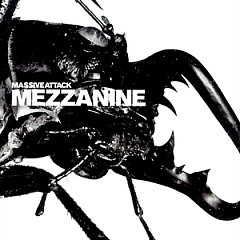
"Teardrop" by Massive Attack has vocals by Elizabeth Fraser of The Cocteau Twins, who wrote the lyric after learning that Jeff Buckley had died.
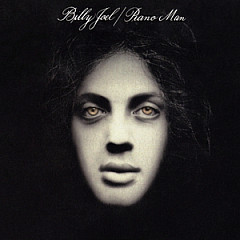
Billy Joel is surprised that "Piano Man" is so successful. He called it "an old, long song about a guy at a depressing piano bar."

YouTube had to upgrade after PSY's "Gangnam Style" broke their hit counter in 2012. Once the video reached 2,147,483,647 views, the maximum positive value for a 32-bit signed binary integer in computing, the view-counter could no longer work.

In her days with The Runaways, Joan Jett saw The Arrows perform "I Love Rock And Roll," which Alan Merrill co-wrote - that story and much more from this glam rock pioneer.
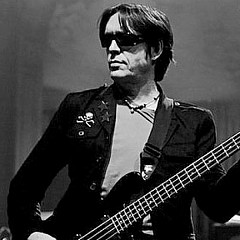
Tim and his brother Richard are the Furs' foundation; Tim explains how they write and tells the story of "Pretty In Pink."
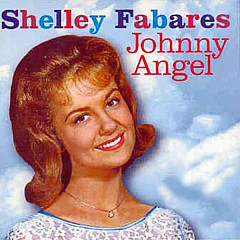
For songwriters, Johnny represents the American man. He has been angry, cool, magic, a rebel and, of course, marching home.
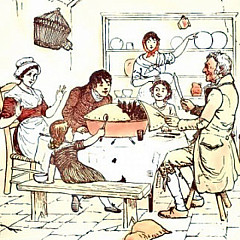
"London Bridge," "Ring Around the Rosie" and "It's Raining, It's Pouring" are just a few examples of shockingly morbid children's songs.

Danny played guitar on Sweet Baby James, Tapestry, and Running On Empty. He also co-wrote many hit songs, including "Dirty Laundry," "Sunset Grill" and "Tender Is The Night."

When she released her first album in 1988, Tanita became a UK singing sensation at age 19. She talks about her darkly sensual voice and quirky songwriting style.