


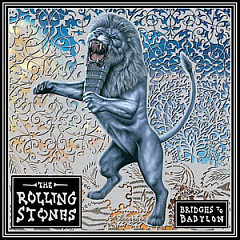
k.d. lang is a credited writer on the Rolling Stones song "Anybody Seen My Baby?" because it sounds so much like her hit "Constant Craving."
The lyrics to "Heartbreak Hotel" were written by a steel guitar player who was once a dishwasher repairman. He was inspired by a newspaper story about a man who killed himself and left behind a note saying only, "I walk a lonely street."
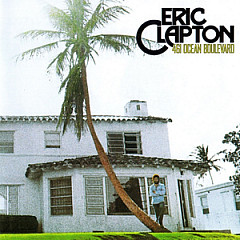
Eric Clapton's only Hot 100 #1, either solo or with one of his many bands, was his cover of Bob Marley's "I Shot The Sheriff."
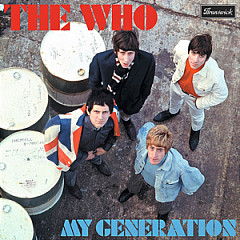
Pete Townshend wrote the lyrics for "My Generation" by The Who during a train ride from London to Southampton on his 20th birthday when he was thinking about "trying to find a place in society."
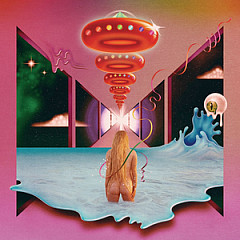
Kesha's 2017 track "Woman" was the first song titled "Woman" sung by a woman to reach the Hot 100. The prior "Woman" singles to reach the chart were all recorded by male acts.
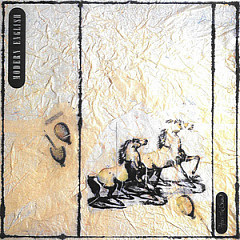
"I'll Melt With You" by Modern English is about a couple who melt together because a nuclear bomb drops.
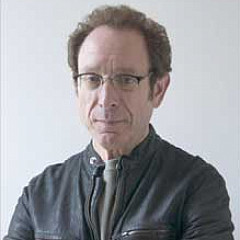
As Procol Harum's lyricist, Keith wrote the words to "A Whiter Shade Of Pale." We delve into that song and find out how you can form a band when you don't sing or play an instrument.

The top chant artist in the Western world, Krishna Das talks about how these Hindu mantras compare to Christian worship songs.

Rock Stars - especially those in the metal realm - are often enlisted for horror movies. See if you know can match the rocker to the role.

Waters tells the "Gypsy Woman" story, shares some of her songwriting insights, and explains how Dennis Rodman ended up on one of her songs.

Are classic songs like "Over The Rainbow" and "Take Me Out to the Ballgame" in the public domain?

Outrageously gifted and just plain outrageous, Millie is an R&B and Rap innovator.