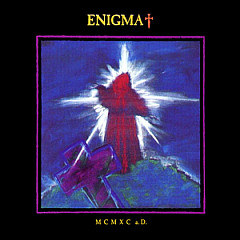
The song "Sadeness" by Enigma (the one with the chanting monks), got its name from the French novelist Marquis de Sade, who believed sex had to be painful in order to be pleasurable - thus the word "sadism."
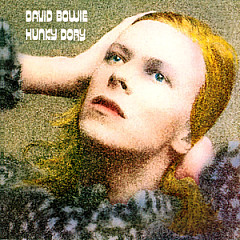
The movie The Breakfast Club opens with a passage from David Bowie's "Changes" ("And these children that you spit on...")
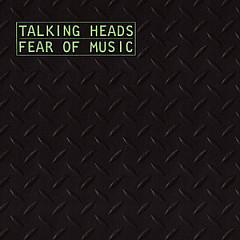
The 1979 song "Life During Wartime" by Talking Heads deals with how technology could be exploited to take down the framework of society and enable government surveillance.
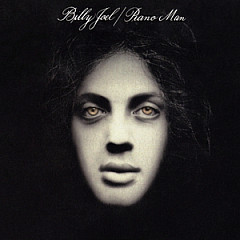
"Piano Man" was inspired by Billy Joel's time playing at a piano bar in Los Angeles. The "real estate novelist" was a guy who always talked about writing a book, but spent all his spare time in the bar.

The most intense song we know that deploys a cowbell is "Killing In The Name," the most popular song by Rage Against The Machine. Their drummer kept a cowbell on his kit and used it in some of their recordings.
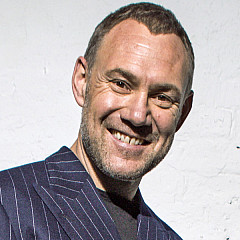
David Gray explains the significance of the word "Babylon," and talks about how songs are a form of active imagination, with lyrics that reveal what's inside us.
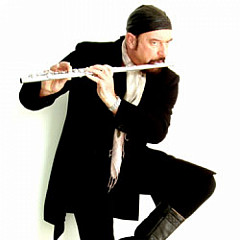
Stage urinals, flute devices, and the real Aqualung in this Fact or Fiction.
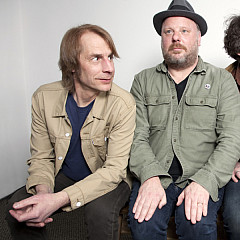
When he was asked to write a song for the Singles soundtrack, Mark thought the Seattle grunge scene was already overblown, so that's what he wrote about.
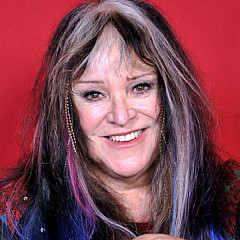
The singer-songwriter Melanie talks about her spiritual awakening at Woodstock, "Brand New Key," and why songwriting is an art, not a craft.
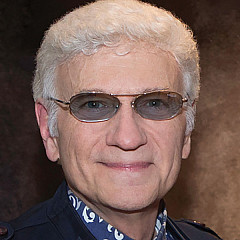
Dennis DeYoung explains why "Mr. Roboto" is the defining Styx song, and what the "gathering of angels" represents in "Come Sail Away."
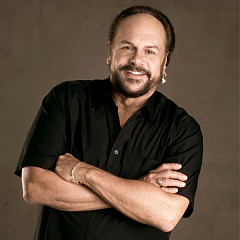
Harry Wayne Casey tells the stories behind KC and The Sunshine Band hits like "Get Down Tonight," "That's The Way (I Like It)," and "Give It Up."