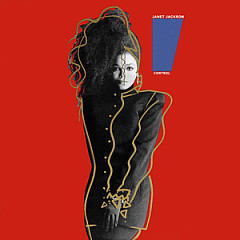
Janet Jackson wrote the lyric to "Nasty" in response to random guys calling her "baby."
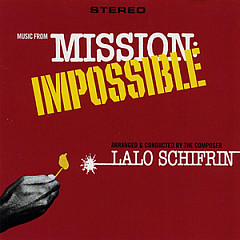
The Mission: Impossible theme is in 5/4 time. Composer Lalo Schifrin joked that he did it so 5-legged aliens could dance to it.
The song "Grease," sung by Frankie Valli in the 1978 movie, was written by Barry Gibb of The Bee Gees.
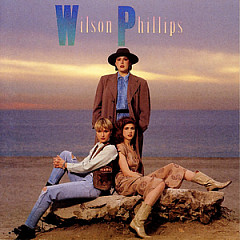
The lyric to "Hold On" by Wilson Phillips was inspired by Chynna Phillips' struggles with addiction. "Hold on for one more day" is something she heard in AA meetings.
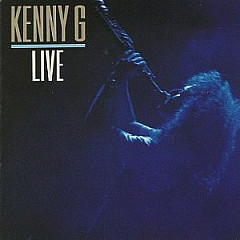
A 1989 track by Kenny G, "Going Home," is the unofficial national closing song in China. The tune is played at the end of train rides, the end of school days, and when malls are about to close.
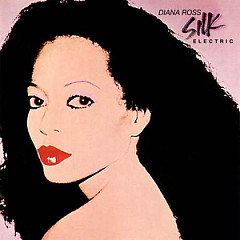
Michael Jackson wrote the Diana Ross hit "Muscles," which he named after his pet boa constrictor.
Was "Pearl" Eddie Vedder's grandmother, and did she really make a hallucinogenic jam? Did Journey have a contest to name the group? And what does KISS stand for anyway?
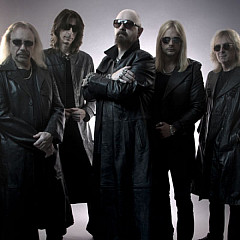
Rob Halford, Richie Faulkner and Glenn Tipton talk twin guitar harmonies and explain how they create songs in Judas Priest.
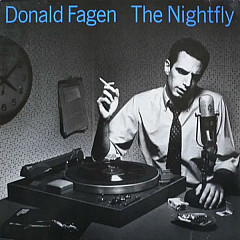
Fagen talks about how the Steely Dan songwriting strategy has changed over the years, and explains why you don't hear many covers of their songs.

The trail runs from flying saucer songs in the '50s, through Bowie, blink-182 and Katy Perry.

David Gray explains the significance of the word "Babylon," and talks about how songs are a form of active imagination, with lyrics that reveal what's inside us.