
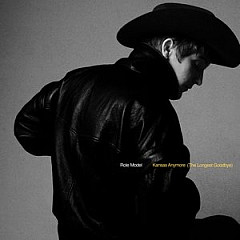
The wild child Role Model sings about in "Sally, When the Wine Runs Out" is based on various women he encountered when he dove back into the dating pool after a long relationship.
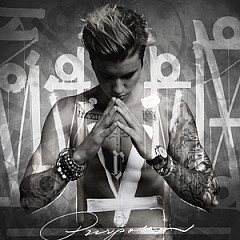
After 47 visits to the Hot 100, Justin Bieber topped the tally for the first time on September 17, 2015 with "What Do You Mean?"
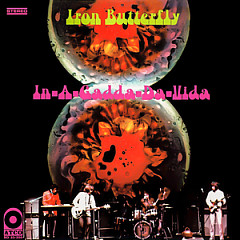
"In-A-Gadda-Da-Vida" was supposed to be titled "In The Garden Of Eden," but someone in the studio wrote down the title phonetically, and it stuck.
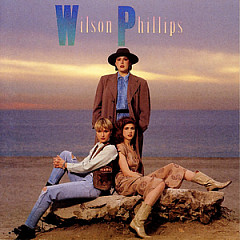
The lyric to "Hold On" by Wilson Phillips was inspired by Chynna Phillips' struggles with addiction. "Hold on for one more day" is something she heard in AA meetings.
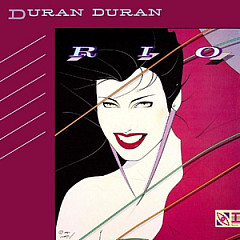
"Rio" by Duran Duran is a metaphor for America, where the band was trying to break through.

Bob Marley's "I Shot The Sheriff" deals with police brutality in the Trenchtown section of Jamaica, where he grew up. He felt that police assumed young men in the area were all criminals.
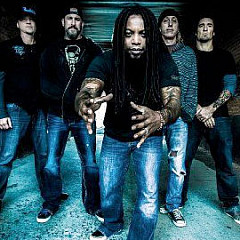
The Sevendust frontman talks about the group's songwriting process, and how trips to the Murder Bar helped forge their latest album.
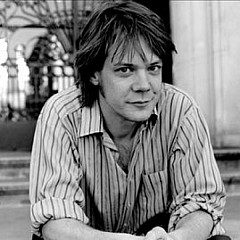
Dave explains how the video appropriated the meaning of "Runaway Train," and what he thought of getting parodied by Weird Al.
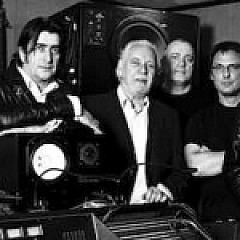
The lead singer and pianist for Procol Harum, Gary talks about finding the musical ideas to match the words.
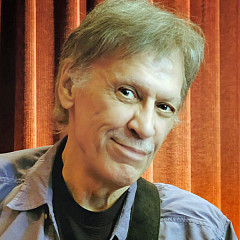
Steppenwolf frontman John Kay talks about "Magic Carpet Ride," "Born To Be Wild," and what he values more than awards and accolades.
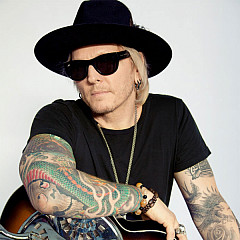
When he joined Guns N' Roses in 1990, Matt helped them craft an orchestral sound; his mezzo fortes and pianissimos are all over "November Rain."
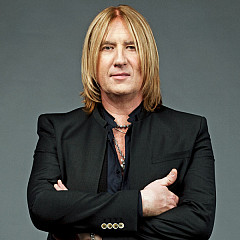
The Def Leppard frontman talks about their "lamentable" hit he never thought of as a single, and why he's juiced by his Mott The Hoople cover band.