
If you have a whole day to kill, you can check out the full version of Pharrell Williams' "Happy" music video, the world's first 24-hour music video.
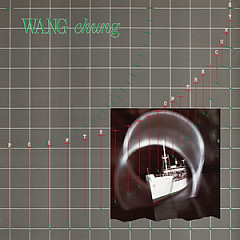
Wang Chung's '80s classic "Dance Hall Days" is about how things can start simple but end up complex. First you "take your baby by the hand," but by the end she has an amethyst in her mouth.
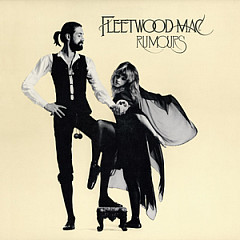
Fleetwood Mac were going through various internecine romantic tribulations while recording their Rumours album. The song "Dreams" was written by Stevie Nicks with the line "Players only love you when they're playing" directed at their guitarist, Lindsey Buckingham.
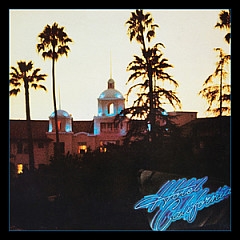
Many people believe "Hotel California" is about a mental institution called the Camarillo, but the Eagles say it's about materialism and excess.
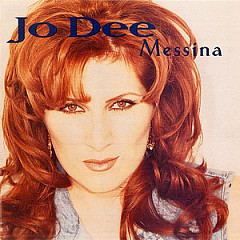
Jo Dee Messina's 1996 country classic "Heads Carolina, Tails California" was inspired by a book released the previous year called Border Music by Robert James Waller, where the main character flips a coin to decide his next destination.
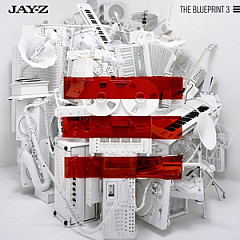
Jay-Z was going to ask Mary J. Blige to duet on "Empire State of Mind," but he decided on Alicia Keys when he heard the piano stabs on the track.
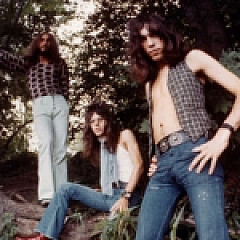
Richie talks about producing the first two Kiss albums, recording "Brother Louie," and the newfound appreciation of his rock band, Dust.
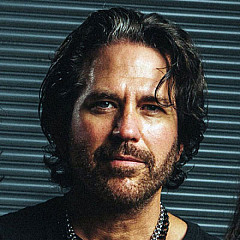
The Winger frontman reveals the Led Zeppelin song he cribbed for "Seventeen," and explains how his passion for orchestra music informs his songwriting.
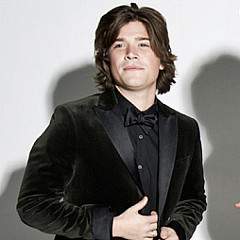
Zac tells the story of Hanson's massive hit "MMMbop," and talks about how brotherly bonds effect their music.
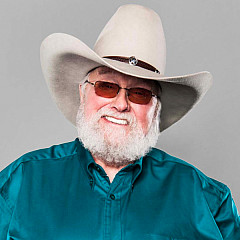
Charlie discusses the songs that made him a Southern Rock icon, and settles the Devil vs. Johnny argument once and for all.
Many unusual folks appear in Grateful Dead songs. Can you identify them?
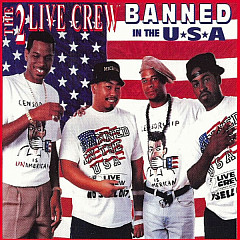
In the summer of 1990, you could get arrested for selling a 2 Live Crew album or performing their songs in Southern Florida. And that's exactly what happened.