
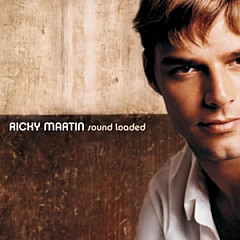
The Ricky Martin song "She Bangs" found new life when William Hung performed it so horribly on a 2004 episode of American Idol that it went viral.

The definitive Dave Matthews Band song, "Ants Marching" is a look at monotony, something they avoid by improvising at concerts and mixing up their setlists.
The rockabilly sound was big in the late 1950s, when Buddy Holly was popular. One of the biggest hits in that genre was the #1 "Party Doll" by Buddy Knox, which used a cardboard box filled with cotton as the drums.
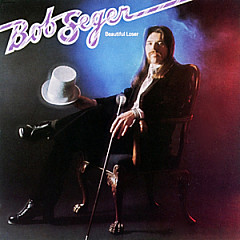
Bob Seger's song "Beautiful Loser" was inspired by book Leonard Cohen published in 1966 called Beautiful Losers.
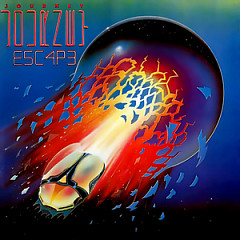
"Open Arms" was a pioneering power ballad. Stadium rock bands like Journey shied away from slow songs, but when they reluctantly agreed to record the song, it became their biggest chart hit.
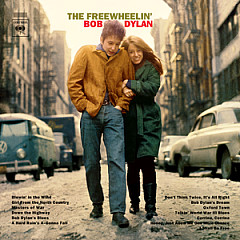
Thanks to a Newsweek article, there was a long-standing rumor that Bob Dylan stole the song "Blowin' In The Wind" from a high school student.
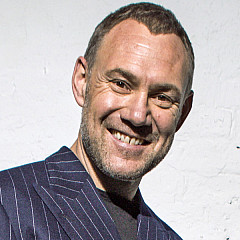
David Gray explains the significance of the word "Babylon," and talks about how songs are a form of active imagination, with lyrics that reveal what's inside us.
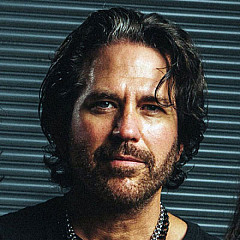
The Winger frontman reveals the Led Zeppelin song he cribbed for "Seventeen," and explains how his passion for orchestra music informs his songwriting.
Many actors have attempted music, but only a few have managed a hit. Do you know which of these thespians charted?
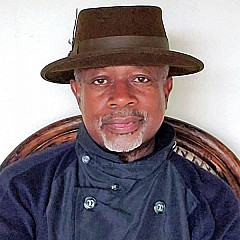
Keyboard great David Sancious talks about his work with Sting, Seal, Springsteen, Clapton and Aretha, and explains what quantum physics has to do with making music.
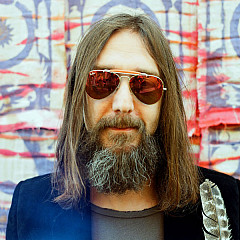
"Great songwriters don't necessarily have hit songs," says Chris. He's written a bunch, but his fans are more interested in the intricate jams.
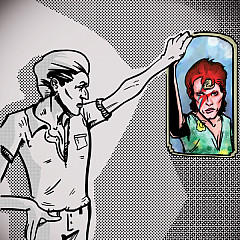
Long before Eminem, Justin Bieber and Nicki Minaj created alternate personas, David Bowie, Bono, Joni Mitchell and even Hank Williams took on characters.