

"Losing My Religion" by R.E.M. isn't about religion, but unrequited love. The title is based on a Southern expression meaning "at my wit's end."
Frank Sinatra was 64 when he had his last hit: "New York, New York." The song pegged him to New York City, leaving Las Vegas to Elvis.
"Should I Stay or Should I Go?" by The Clash features some Spanish lines by the Texas singer Joe Ely.
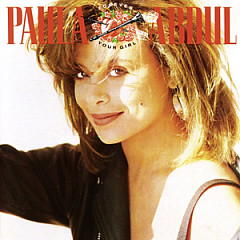
Paula Abdul's "Forever Your Girl" was written by Oliver Leiber, who despite being the son of Jerry Leiber from Leiber & Stoller, was an unknown songwriter.
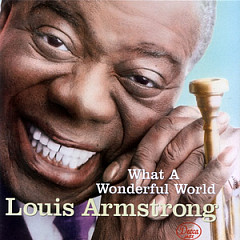
"What A Wonderful World," released in 1967 four years before Louis Armstrong died, didn't find an audience in America until 1988 when it was used in the movie Good Morning, Vietnam.

Tired of X-Factor winners getting the UK Christmas #1, British Facebook users staged a successful campaign to download "Killing In The Name" by Rage Against The Machine enough times to boost the song to the top in 2009, blocking the X-Factor single by Joe McElderry.

Genesis' key-man re-examines his solo career and the early days of music video.
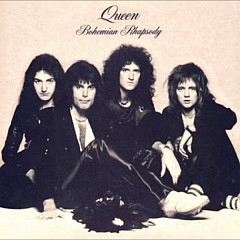
Some songs get a second life when they find a new audience through a movie, commercial, TV show, or even the Internet.
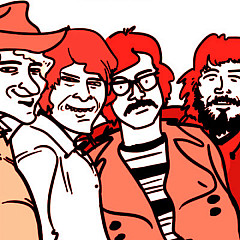
Is "Have You Ever Seen the Rain" about Vietnam? Was John Fogerty really born on a Bayou? It's the CCR edition of Fact or Fiction.
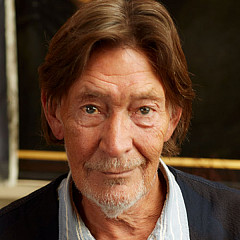
It took him seven years to recover from his American hit "Fool (If You Think It's Over)," but Chris Rea became one of the top singer-songwriters in his native UK.

Oliver Leiber talks about writing and producing hits for Paula Abdul, and explains his complicated relationship with his father, the songwriter Jerry Leiber.
Not everyone can be a superhero, but that hasn't stopped generations of musicians from trying to be Superman.