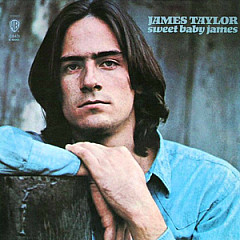
James Taylor wrote "Sweet Baby James" during a road trip to Virginia in honor of his brother’s new baby, also named James, whom he was about to meet for the first time.

Tired of X-Factor winners getting the UK Christmas #1, British Facebook users staged a successful campaign to download "Killing In The Name" by Rage Against The Machine enough times to boost the song to the top in 2009, blocking the X-Factor single by Joe McElderry.
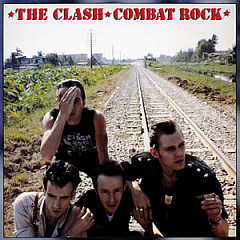
"Should I Stay or Should I Go?" by The Clash features some Spanish lines by the Texas singer Joe Ely.
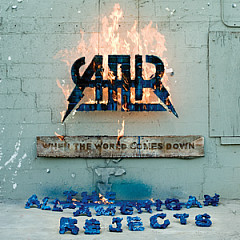
The first US Top 10 hit with the word "hell" in the title was "Gives You Hell" by The All-American Rejects in 2008.
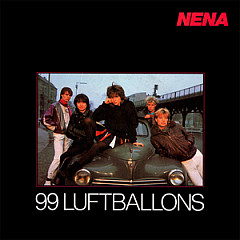
"99 Luftballons" by Nena is about a Cold War scare when balloons showed up on radar and were mistaken as a nuclear threat.
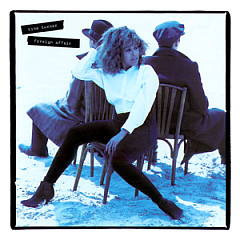
"The Best" by Tina Turner was originally recorded by Bonnie Tyler; Turner's hit version added a bridge and a saxophone solo by Edgar Winter.

David talks about videos he made for Prince, Alabama, Big & Rich, Sheryl Crow, DMB, Melissa Etheridge and Sisters of Mercy.

Kristian talks songwriting technique, like how the chorus should redefine the story, and how to write a song backwards.
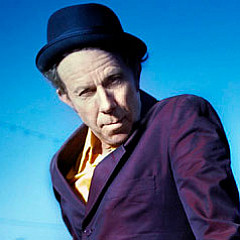
Pool balls, magpies and thorns without roses - how well do you know your Tom Waits lyrics?
The '70s gave us Muppets, disco and Van Halen, all which show up in this groovy quiz.
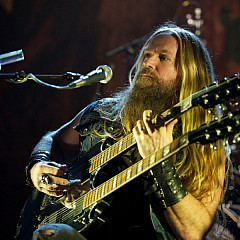
When he was playing Ozzfest with Black Label Society, a kid told Zakk he was the best Ozzy guitarist - Zakk had to correct him.