
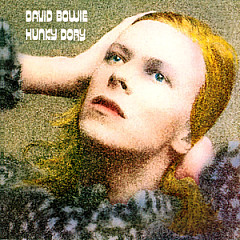
The movie The Breakfast Club opens with a passage from David Bowie's "Changes" ("And these children that you spit on...")
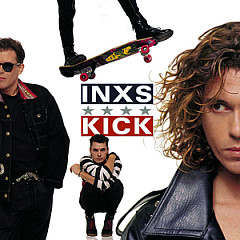
"Never Tear Us Apart" was a live favorite for INXS, who would often extend the second pause for a while as the crowd went crazy.
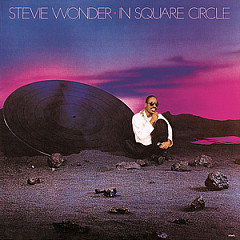
Stevie Wonder was 12 years old when he released his first #1 hit, "Fingertips (Part 2)." He had to wait 22 years for his next one: "Part Time Lover."
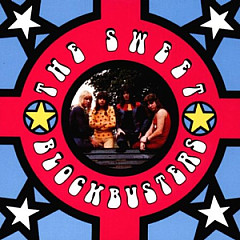
Sweet's hit "Ballroom Blitz" was inspired by an incident in 1973 when the band were performing in Scotland and driven offstage by a barrage of bottles.

"Soul Man" was a new term when the song was written in 1967. As defined by the song's co-writer, David Porter, the Soul Man doesn't have a fancy big-city slant, but has "the emotional thing happening inside of him that made people really love him."

Adele's "Hello" was the first song to sell over a million downloads in a week. What's remarkable was that this was in 2015, when streaming was a viable option. Her fans were happy to pay for the song anyway.
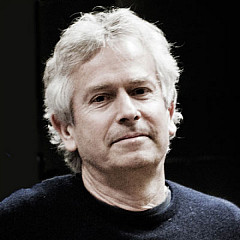
Genesis' key-man re-examines his solo career and the early days of music video.
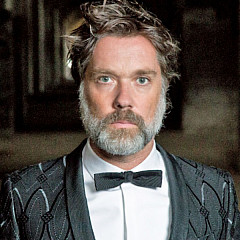
Rufus Wainwright on "Hallelujah," his album Unfollow The Rules, and getting into his "lyric trance" on 12-hour walks.

The original voice of Snap! this story is filled with angry drag queens, video impersonators and Chaka Khan.
David Gray explains the significance of the word "Babylon," and talks about how songs are a form of active imagination, with lyrics that reveal what's inside us.

Brenda talks about the inspiration that drove her to write hit songs like "Get Here" and "Piano in the Dark," and why a lack of formal music training can be a songwriter's best asset.
From the lake in "Roundabout" to Sister Bluebird in "Starship Trooper," Jon Anderson talks about how nature and spirituality play into his lyrics for Yes.