
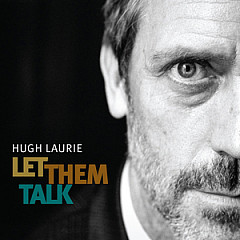
Hugh Laurie, star of the TV show House, had a minor hit in 2011 with "Police Dog Blues," an old Blues song from 1929.

"We Will Become Silhouettes" by The Postal Service sounds happy and fun, but it's a very bleak song about a nuclear winter. Lead singer Ben Gibbard wrote the lyric while ruminating over 9/11.

David Bowie was in a mystical state when he wrote "The Man Who Sold The World," which he said happened during his "15 minutes of Buddhism."
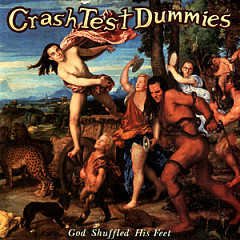
The third verse of "Mmm Mmm Mmm Mmm" by Crash Test Dummies ("they shook and lurched all over the church floor...") was inspired by girl whose parents would speak in tongues at their Pentecostal service.
"Return To Innocence" by Enigma is based on a Taiwanese chant by a husband and wife. The couple won a lawsuit granting them royalties from the song.
Keith Richards did some studio alchemy on "Street Fighting Man," which is all acoustic except the bass.

The singer-songwriter Melanie talks about her spiritual awakening at Woodstock, "Brand New Key," and why songwriting is an art, not a craft.

Elvis, Little Richard and Cheryl Cole have all sung about Teddy Bears, but there is also a terrifying Teddy song from 1932 and a touching trucker Teddy tune from 1976.

The Canadian superstar talks about his sudden rise to fame, and tells the stories behind his hits "Sunglasses At Night," "Boy In The Box" and "Never Surrender."
Songs that seem to glorify violence against women are often misinterpreted - but not always.
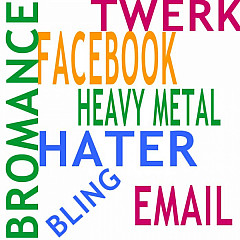
Where words like "email," "thirsty," "Twitter" and "gangsta" first showed up in songs, and which songs popularized them.
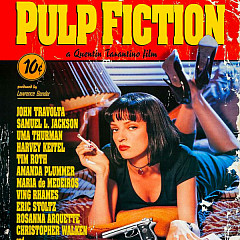
Whether he's splitting ears or burning Nazis, Quentin Tarantino uses memorable music in his films. See if you can match the song to the scene.