


Gina in Bon Jovi's "Livin' On A Prayer" is based on a singer named Maria Vidal, who was working as a singing waitress using the name Gina Velvet.
AC/DC's "For Those About To Rock (We Salute You)" is titled after a phrase Roman gladiators said heading into battle: "We who are about to die salute you."
"What A Wonderful World," released in 1967 four years before Louis Armstrong died, didn't find an audience in America until 1988 when it was used in the movie Good Morning, Vietnam.
"Mercedes Boy" by Pebbles is about a real guy she fell in love with - they both drove Mercedes when she wrote it.
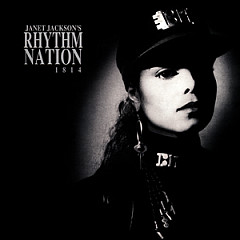
Janet Jackson's "Rhythm Nation" was inspired by the tribes that came together at New York dance clubs.
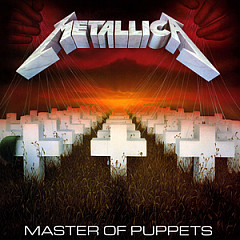
When Metallica performed in China in 2013, they weren't allowed to play "Master Of Puppets," probably because the theme of being controlled by a higher authority didn't sit well with the Chinese government.
Prince is shrouded in mystery, making him an excellent candidate for Fact or Fiction. Is he really a Scientologist? Does he own an exotic animal?

Nirvana, Billy Joel and Bruce Springsteen are among those who wrote songs with cities that show up in this quiz.
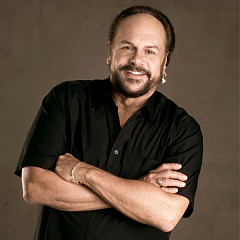
Harry Wayne Casey tells the stories behind KC and The Sunshine Band hits like "Get Down Tonight," "That's The Way (I Like It)," and "Give It Up."
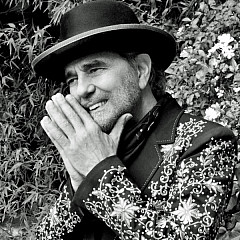
Daniel Lanois on his album Heavy Sun, and the inside stories of songs he produced for U2, Peter Gabriel, and Bob Dylan.
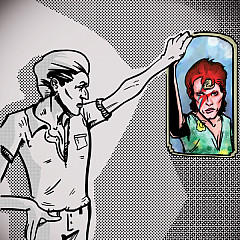
Long before Eminem, Justin Bieber and Nicki Minaj created alternate personas, David Bowie, Bono, Joni Mitchell and even Hank Williams took on characters.
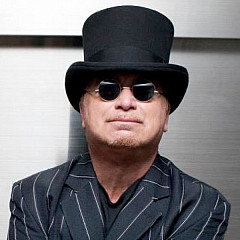
Toto's keyboard player explains the true meaning of "Africa" and talks about working on the Thriller album.