

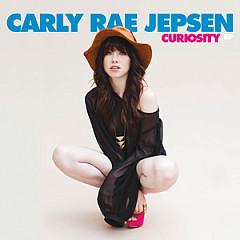
"Call Me Maybe" by Carly Rae Jepsen was the song of the summer in 2012 and a major meme. It got some help from her fellow Canadian Justin Bieber, who tweeted that it was "possibly the catchiest song I've ever heard."
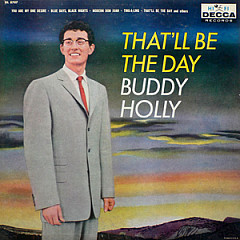
Buddy Holly got the title for his hit song "That'll Be The Day" from a phrase John Wayne repeats in the 1956 movie The Searchers.
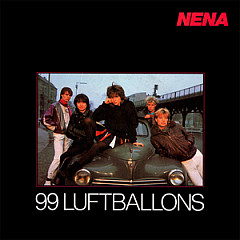
"99 Luftballons" by Nena is about a Cold War scare when balloons showed up on radar and were mistaken as a nuclear threat.
"The Way We Were" was the first of five #1 singles by Barbra Streisand. She is the only artist ever to receive an Oscar, Tony, Emmy and Grammy, and also record a #1 single and album.
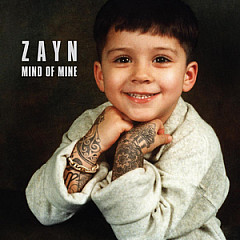
Zayn's "Pillowtalk" reached #1 on the Hot 100, something his former One Direction bandmates never achieved.
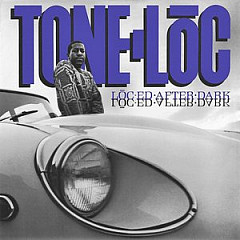
Tone-Loc's "Wild Thing" samples Eddie Van Halen's guitar riff from "Jaime's Cryin'."
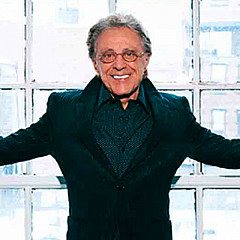
An interview with Frankie Valli, who talks about why his songs - both solo and with The Four Seasons - have endured, and reflects on his time as Rusty Millio on The Sopranos.
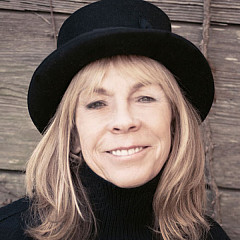
Rickie Lee Jones on songwriting, social media, and how she's handling Trump.
A Soul Train dancer takes us through a day on the show, and explains what you had to do to get camera time.
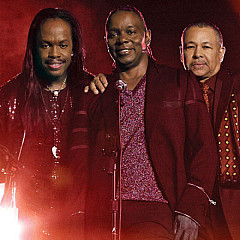
The longtime bassist of Earth, Wind & Fire discusses how his band came to do a holiday album, and offers insight into some of the greatest dance/soul tunes of all-time.
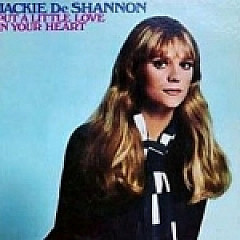
It wasn't her biggest hit as a songwriter (that would be "Bette Davis Eyes"), but "Put a Little Love in Your Heart" had a family connection for Jackie.
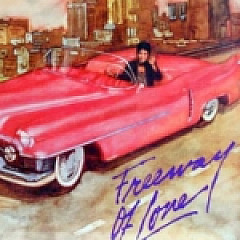
As a songwriter and producer, Narada had hits with Aretha Franklin, Whitney Houston, Mariah Carey and Starship. But what song does he feel had the greatest impact on his career?