


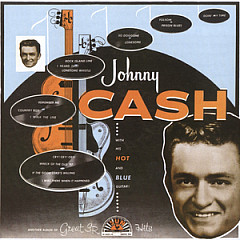
Johnny Cash promised to stay true to his first wife in "I Walk The Line," but when the song became a hit he found himself on the road, having an affair with June Carter, who became his second wife.
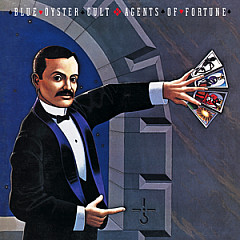
Buck Dharma of Blue Oyster Cult wrote "(Don't Fear) The Reaper" after he was diagnosed with a heart condition and started thinking about his own mortality.
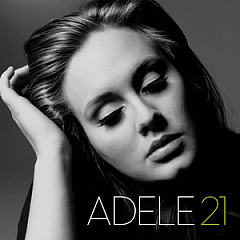
Adele's "Someone Like You" is the first song with just piano and voice to hit #1 in the history of the Billboard Hot 100, which started in 1958.
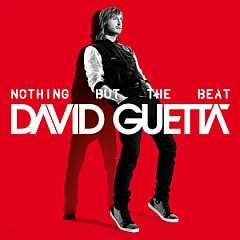
Sia Furler wrote "Titanium" and wanted to give the tune to Katy Perry. She turned it down, so David Guetta recorded it instead using Sia's original demo guide vocal. It became a big hit, especially in the UK, where it went to #1.
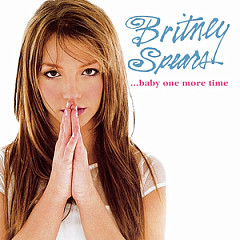
Britney Spears was just 16 when her first single, "Baby One More Time," was released. She quickly became a top search term on something called The Internet.

Al Green's "Take Me to the River" describes a baptism. Two years later, he became a reverend.

Roger reveals the songwriting formula Clive Davis told him, and if "Eight Miles High" is really about drugs.
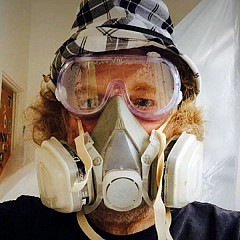
Billy Joel and Hall & Oates hated making videos, so they chose a director with similar contempt for the medium. That was Jay Dubin, and he has a lot to say on the subject.

A drummer for one of the most successful metal bands of the last decade, Chris talks about what it's like writing and performing with Slipknot. Metal-neck is a factor.
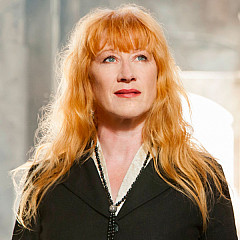
The Celtic music maker Loreena McKennitt on finding musical inspiration, the "New Age" label, and working on the movie Tinker Bell.
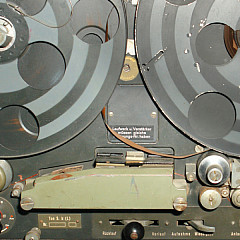
How Bing Crosby, Les Paul, a US Army Signal Corps Officer, and the Nazis helped shape rock and Roll.

Mike Rutherford talks about the "Silent Running" storyline and "Land Of Confusion" in the age of Trump.