"I Just Called To Say I Love You" is Stevie Wonder's best-selling single worldwide. It topped the Hot 100, AC, R&B and UK charts all in the same week.
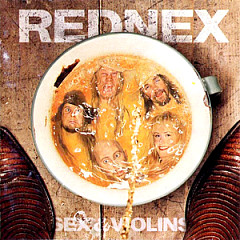
"Cotton Eye Joe" is a folk song dating to the 1800s, but it became a hit when a Swedish act called Rednex did a psychokinetic version in 1994.
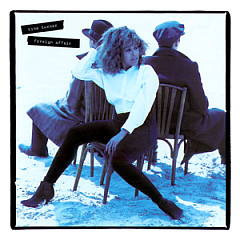
"The Best" by Tina Turner was originally recorded by Bonnie Tyler; Turner's hit version added a bridge and a saxophone solo by Edgar Winter.
The Arctic Monkeys 2011 song "Suck It and See" is titled after a British saying meaning you should try something to see if you like it.
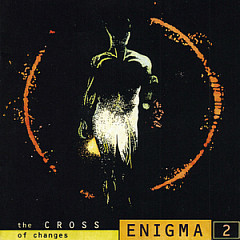
"Return To Innocence" by Enigma is based on a Taiwanese chant by a husband and wife. The couple won a lawsuit granting them royalties from the song.
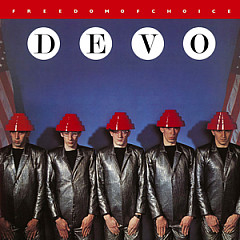
The Devo song "Freedom Of Choice" is about mindless consumerism - how people like to make frivolous choices, but otherwise want to be told what to do.
We've heard of artists putting their hearts into their music, but some take it literally.
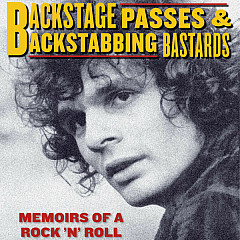
Kooper produced Lynyrd Skynyrd, played with Dylan and the Stones, and formed BS&T.
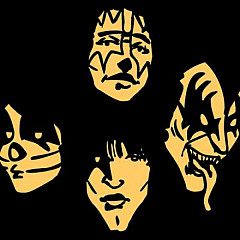
Kiss is the subject of many outlandish rumors - some of which happen to be true. See if you can spot the fakes.

The Yardbirds drummer explains how they created their sound and talks about working with their famous guitarists.
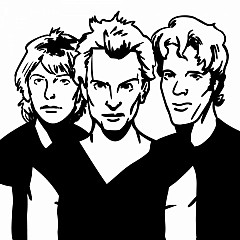
Do their first three albums have French titles? Is "De Do Do Do, De Da Da Da" really meaningless? See if you can tell in this Fact or Fiction.