
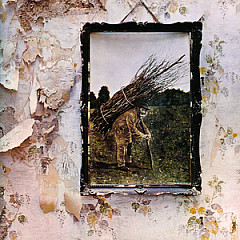
"The Battle of Evermore" is the only song Zeppelin ever recorded with a guest vocalist. It features Sandy Denny from Fairport Convention duetting with Robert Plant.
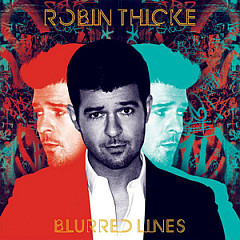
Robin Thicke had a #1 hit with "Blurred Lines" in 2013, but he wasn't the first in his family with a hit song. His mom, Gloria Loring, was a singer who had a hit in 1986 with "Friends And Lovers," a duet with Carl Anderson.

It was never a big hit, but the uplifting "Mr. Blue Sky" has endured as Electric Light Orchestra's most popular song. Group leader Jeff Lynne wrote it when after two weeks of gloomy weather, the clouds parted to reveal a beautiful day.
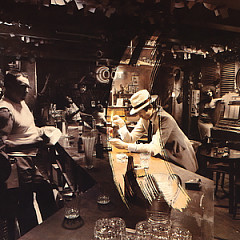
In Led Zeppelin's "Fool In The Rain," the guy goes into a funk when he thinks he's been stood up, but is elated when he realizes he's been standing on the wrong corner, and it's all a terrible mess.
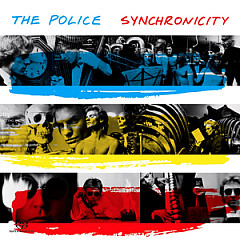
"Every Breath You Take" by The Police feels like a love song, but a careful listen reveals it's about a stalker. Sting called it "a nasty little song, really rather evil. It's about jealousy and surveillance and ownership."

The definitive Dave Matthews Band song, "Ants Marching" is a look at monotony, something they avoid by improvising at concerts and mixing up their setlists.

Greg talks about writing songs of "universal truth" for King Crimson and ELP, and tells us about his most memorable stage moment (it involves fireworks).
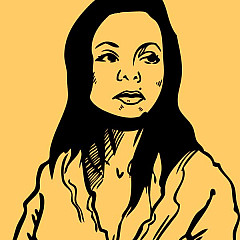
Was Janet secretly married at 18? Did she gain 60 pounds for a movie role that went to Mariah Carey? See what you know about Ms. Jackson.
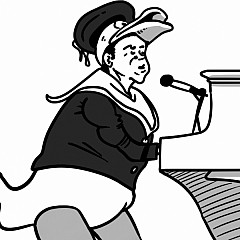
Does he have beef with Gaga? Is he Sean Lennon's godfather? See if you can tell fact from fiction in the Elton John edition.
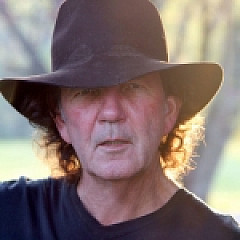
The writer of "Rainy Night in Georgia" and "Polk Salad Annie" explains how he cooks up his Louisiana swamp rock.
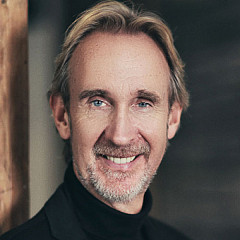
Mike Rutherford talks about the "Silent Running" storyline and "Land Of Confusion" in the age of Trump.
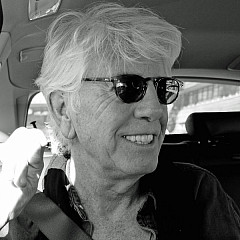
Graham Nash tells the stories behind some of his famous songs and photos, and is asked about "yacht rock" for the first time.