
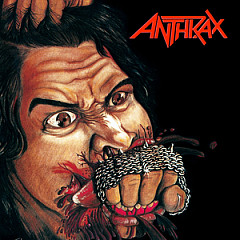
The 1984 Anthrax song "Metal Thrashing Mad" popularized the phrase "thrash metal," a faster version of heavy metal. "Thrash" dates back to 1982 though, when Metallica put the lyric "thrashing all around" in their song "Whiplash."
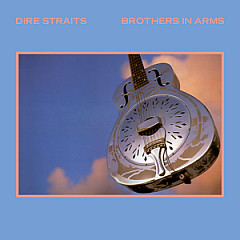
Dire Straits frontman Mark Knopfler got the idea for "Money For Nothing" after overhearing delivery men in a New York department store complain about their jobs while watching MTV.
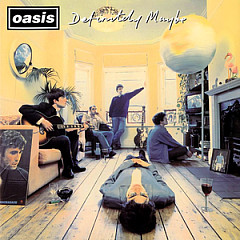
The Oasis song "Live Forever" was written in response to "I Hate Myself And I Want To Die" by Nirvana. "Kids don't need to hear that nonsense," said Noel Gallagher.

The Isley Brothers became the first group to score a Top 50 hit in six consecutive decades when their song "Contagious" peaked at #19 in 2001. Their first entry was their song "Shout" in 1959.
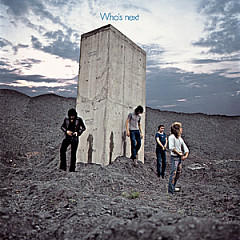
"Won't Get Fooled Again" by The Who is about a revolution, but it doesn't have a happy ending, since in the end the new regime becomes just like the old one. Pete Townshend thought that whoever was in power was destined to become corrupt.
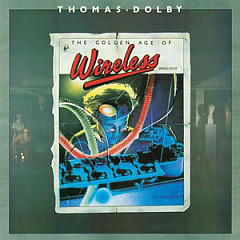
Thomas Dolby wrote "She Blinded Me With Science" so he could direct the video, which was inspired by silent films and set in a "home for deranged scientists."
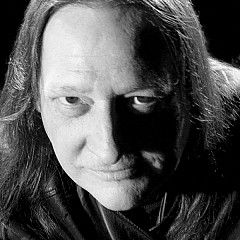
Writing great prog metal isn't easy, especially when it's for 60 musicians.
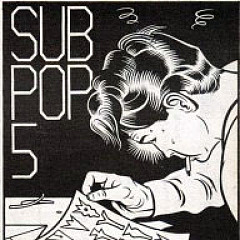
With $50 and a glue stick, Bruce Pavitt created Sub Pop, a fanzine-turned-label that gave the world Nirvana and grunge. He explains how motivated individuals can shift culture.
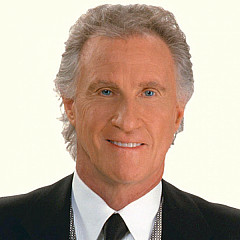
Medley looks back on "Unchained Melody" and "You've Lost That Lovin' Feelin'" - his huge hits from the '60s that were later revived in movies.
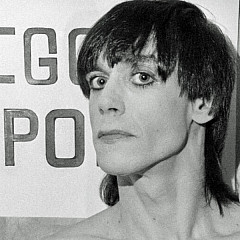
Chris Stein of Blondie shares photos and stories from his book about the New York City punk scene.
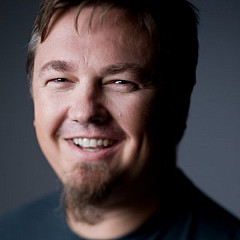
"I'll Be" was what Edwin called his "Hail Mary" song. He says it proves "intention of the songwriter is 180 degrees from potential interpretation by an audience."
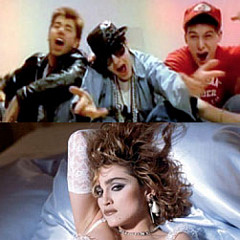
Here's what happens when an opening act is really out of place with the headliner, like when Beastie Boys opened for Madonna.