
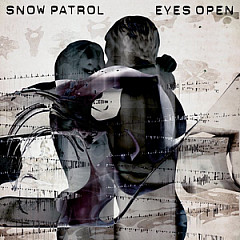
Snow Patrol had a huge hit in 2006 with the love song "Chasing Cars." The title alludes to how dogs chase cars just for the thrill of it, the same way two people deeply in love will embark on open-ended adventures, content to be in each others' company with no clear destination.

"The Way" by Fastball was inspired by the story of an elderly couple from Texas who drove to a nearby family reunion and kept going. Fastball's bass player imagined them taking off and having fun like they were young. The story didn't end well: the couple was later found dead after they crashed in a canyon.
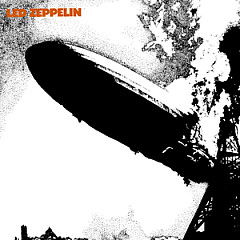
"Your Time Is Gonna Come" became the first Led Zeppelin song to be covered when Sandie Shaw recorded it in 1969.

When Petula Clark reached #1 in the US with "Downtown" in 1965, she became the first female singer from England to hit #1 in the US during the Rock Era (after 1955).
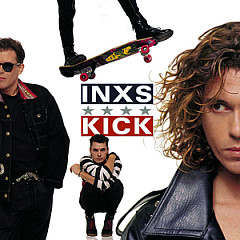
In the INXS song "Devil Inside," the devil represents chaos. "Every time you think something's right, he comes in and changes everything," Michael Hutchence said.

Members of the San Francisco 49ers, including Dwight Clark, Joe Montana and Ronnie Lott, sang backup on "Hip to Be Square" by Huey Lewis and the News.
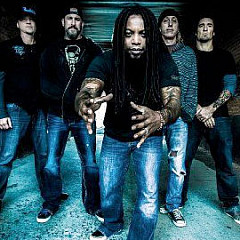
The Sevendust frontman talks about the group's songwriting process, and how trips to the Murder Bar helped forge their latest album.
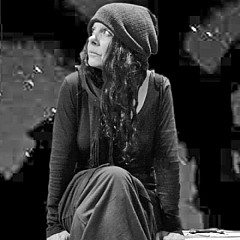
The singer/bassist for Concrete Blonde talks about how her songs come from clairvoyance, and takes us through the making of their hit "Joey."

A drummer for one of the most successful metal bands of the last decade, Chris talks about what it's like writing and performing with Slipknot. Metal-neck is a factor.
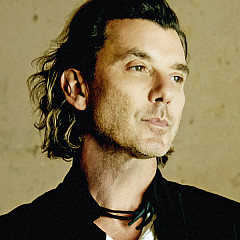
The Bush frontman on where he finds inspiration for lyrics, if his "machine head" is a guitar tuner, and the stories behind songs from the album The Kingdom.
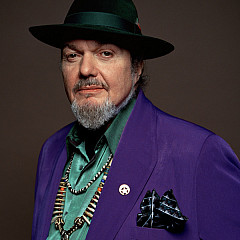
The good doctor shares some candid insights on recording with Phil Spector and The Black Keys.
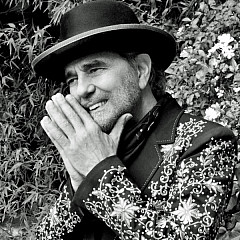
Daniel Lanois on his album Heavy Sun, and the inside stories of songs he produced for U2, Peter Gabriel, and Bob Dylan.