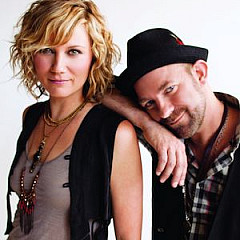
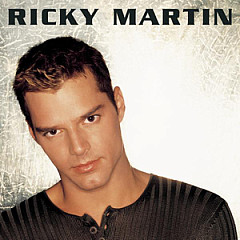
"Livin' La Vida Loca" is a Latin pop landmark, but "la vida loca" are the only Spanish words in the lyric - "mocha" is English.

The Simon & Garfunkel song "Mrs. Robinson" was originally called "Mrs. Roosevelt," most likely after First Lady Eleanor Roosevelt. The title was changed when it was considered for use in the film The Graduate, where Anne Bancroft's character is Mrs. Robinson.
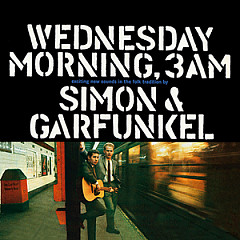
The first release of "The Sound Of Silence" was acoustic, and went nowhere. It became Simon & Garfunkel's first hit when a producer at their label overdubbed it with electric instruments.
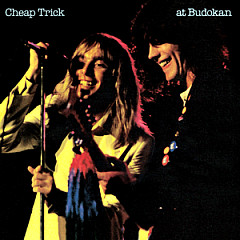
Cheap Trick's original version of "I Want You To Want Me" was countrified and kind of hokey. When they sped it up for their Live At Budokan album, it became a huge hit.
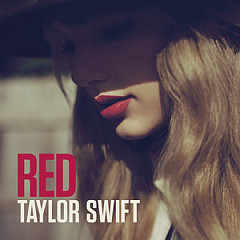
"We Are Never Ever Getting Back Together" by Taylor Swift earned an entry in the 2014 edition of the Guinness Book of Records for the fastest-selling digital single. It reached the #1 spot on iTunes just 50 minutes after its release.
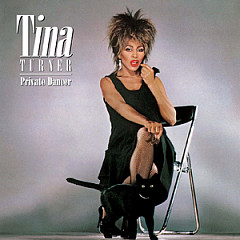
Tina Turner hated "What's Love Got To Do With It" but when her manager convinced her to record it anyway, it became her big comeback hit.
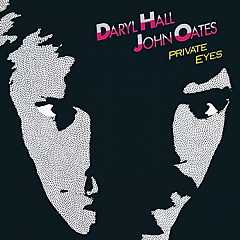
How a goofy detective movie, a disenchanted director and an unlikely songwriter led to one of the biggest hits in pop history.
Billy Joel and Hall & Oates hated making videos, so they chose a director with similar contempt for the medium. That was Jay Dubin, and he has a lot to say on the subject.
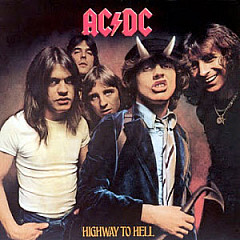
We ring the Hell's Bells to see what songs and rockers are sincere in their Satanism, and how much of it is an act.
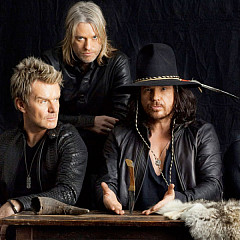
The Cult frontman tells who the "Fire Woman" is, and talks about performing with the new version of The Doors.
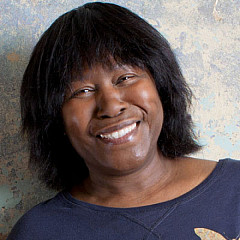
The revered singer-songwriter talks inspiration and explains why she put a mahout in "Drop the Pilot."