


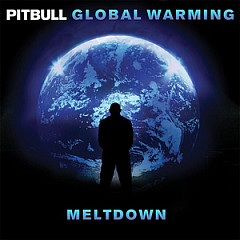
Pitbull is the lead artist on his Kesha collaboration "Timber," a #1 hit in 2014, but he only raps for about a minute on the song - Kesha does most of the work.
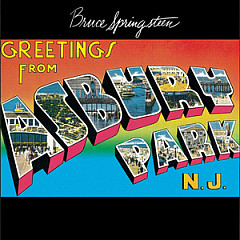
Bruce Springsteen wrote "Blinded By The Light," which was a #1 hit for Manfred Mann's Earth Band. The "Madman Drummers" line is a reference to Springsteen's first E-Street drummer, Vinnie "Mad dog" Lopez.
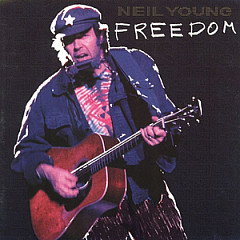
"Rockin' In The Free World" is a very pro-America title, but the song takes on politicians who are indifferent to the poor and disenfranchised.

Pat Benatar's "Hit Me With Your Best Shot" was written by a guy named Eddie after going through a weird therapy session where he punched pillows to get out his aggressions.
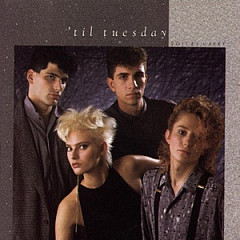
The MTV classic "Voices Carry" is by 'Til Tuesday, a group fronted by Aimee Mann. She wrote the lyric about a friend who's partner wanted to keep their fling a secret.
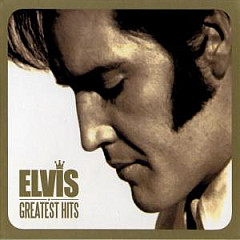
"Can't Help Falling In Love" wasn't a #1 hit for Elvis in America, but it's his most popular song in the streaming era, thanks to use in short-form videos and placements in movies and TV shows. One famous use is in the movie Crazy Rich Asians, where it plays in a wedding scene.
John Lennon, Paul Simon and Lynyrd Skynyrd are some of the artists who have written revenge songs. Do you know who they wrote them about?
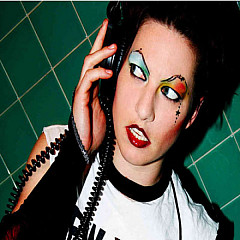
Call us crazy, but we like it when an artist comes around who doesn't mesh with the status quo.
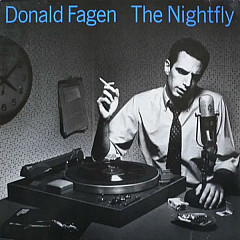
Fagen talks about how the Steely Dan songwriting strategy has changed over the years, and explains why you don't hear many covers of their songs.
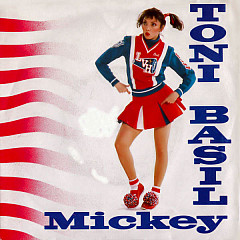
It started with a bouncy MTV classic. Nirvana and MCR made them scary, then Gwen, Avril and Madonna put on the pom poms.
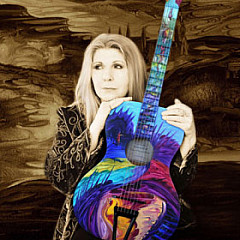
The 5-octave voice of the classical rock band Renaissance, Annie is big on creative expression. In this talk, she covers Roy Wood, the history of the band, and where all the money went in the '70s.
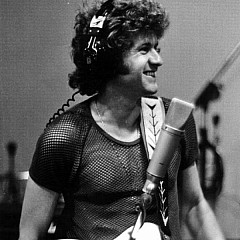
Inspired by his dear friend, "Seasons in the Sun" paid for Terry's boat, which led him away from music and into a battle with Canadian paper mills.