
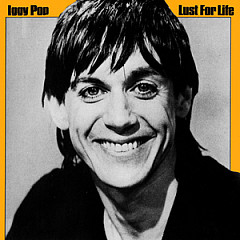
Iggy Pop wrote "Lust For Life" with David Bowie, who came up with the music on a ukulele.
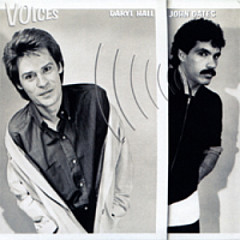
"Kiss On My List" by Hall & Oates is actually an anti-love song - the kiss is just one item on a list, and by no means the best.
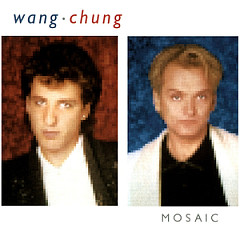
"Everybody Have Fun Tonight" is a rare hit with the band's name used as a verb: "Everybody Wang Chung tonight." The band says it can mean whatever you'd like it to.
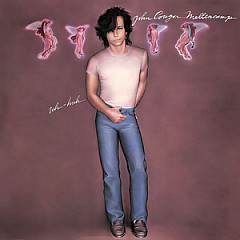
John Mellencamp considers "Pink Houses" an "anti-American song," laying bare the struggles of the poor and working class.
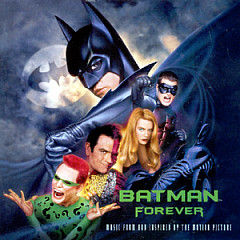
U2's "Hold Me, Thrill Me, Kiss Me, Kill Me" from Batman Forever was nominated for both a Golden Globe for Best Original Song and a Razzie for Worst Original Song.
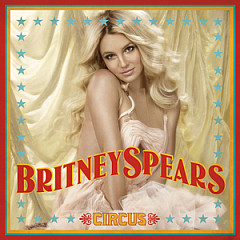
Before she was famous, Lady Gaga was a staff songwriter, and wrote the song "Quicksand," which Britney Spears recorded in 2008.
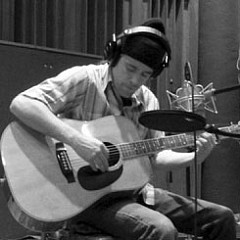
Chad tells tales from his time as drummer for Nirvana, and talks about his group Before Cars.
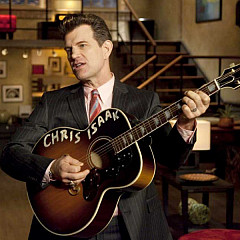
Chris tells the story of "Wicked Game," talks milkshakes and moonpies at Sun Records, and explains why women always get their way.
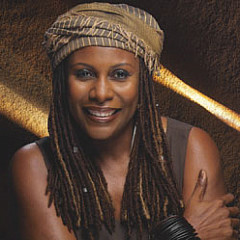
Brenda talks about the inspiration that drove her to write hit songs like "Get Here" and "Piano in the Dark," and why a lack of formal music training can be a songwriter's best asset.
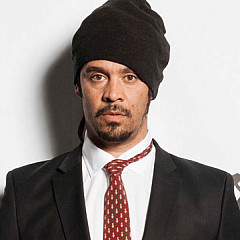
Franti tells the story behind his hit "Say Hey (I Love You)" and explains why yoga is an integral part of his lifestyle and his Soulshine tour.
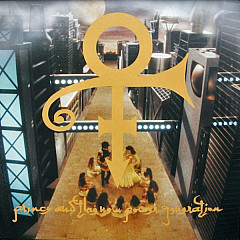
The evolution of the symbol that was Prince's name from 1993-2000.
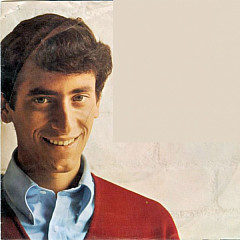
Gary Lewis and the Playboys had seven Top 10 hits despite competition from The Beatles. Gary talks about the hits, his famous father, and getting drafted.