

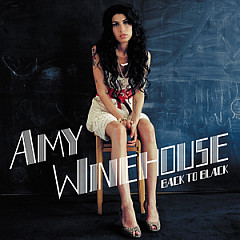
Amy Winehouse really did refuse "Rehab." She said she drank because she was lovesick, and "you can't go into rehab for that."
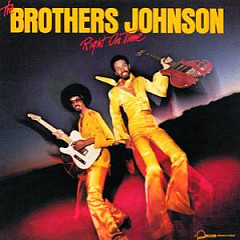
"Strawberry Letter 23" by The Brothers Johnson was written by Shuggie Otis, whose girlfriend would send him letters written on strawberry-scented paper.
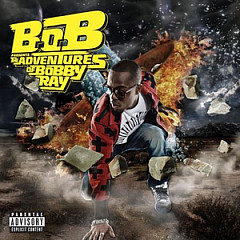
When "Nothin' On You" reached #1 on the Hot 100, B.o.B became the first American act whose name is a palindrome to top the chart. The other two who did so prior to the Atlanta rapper were both Scandinavian groups - ABBA and A-Ha.

Blur's "There Are Too Many of Us" was inspired in part by a siege in an Australian chocolate café that Damon Albarn witnessed, which resulted in the death of the gunman and two hostages.
"Tammy" by Debbie Reynolds was the only US #1 single by a female act between July 1956 and February 1958.
One of Tom Petty's most personal songs is "Room At The Top," written when he was dealing with addiction and divorce. He stopped performing it because it brought back painful memories.

Howard explains his positive songwriting method and how uplifting songs can carry a deeper message.

Scott was Stevie Wonder's bass player before becoming a top session player. Hits he played on include "I Will Survive," "Being With You" and "Sara Smile."
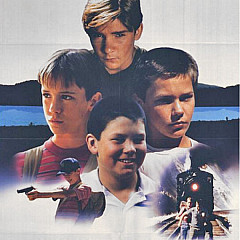
In 1986, a Stephen King novella was made into a movie, with a classic song serving as title, soundtrack and tone.
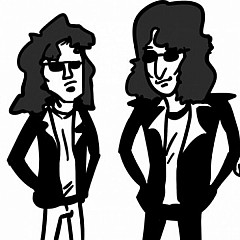
A band so baffling, even their names were contrived. Check your score in the Ramones version of Fact or Fiction.
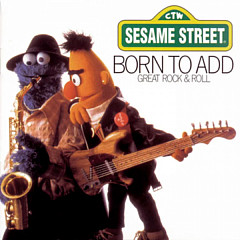
When singers started spoofing their own songs on Sesame Street, the results were both educational and hilarious - here are the best of them.