
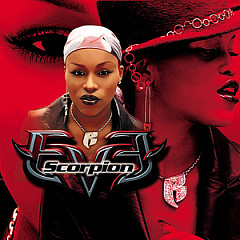
2001 was when collaborations between rappers and singers became commonplace, leading to a new Grammy category: Best Rap/Sung Collaboration. The first winner was "Let Me Blow Ya Mind" by Eve and Gwen Stefani. This was before Stefani put out her first solo album.
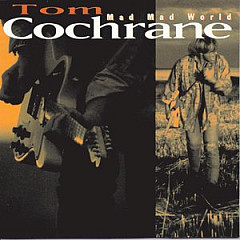
Tom Cochrane wrote "Life Is A Highway" to pull himself out of a funk following an exhausting humanitarian trip to Africa.
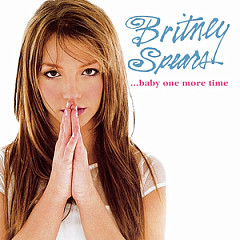
"Baby One More Time," the breakout song for Britney Spears, was originally offered to TLC but they passed on it. The R&B trio didn't feel comfortable singing the line, "hit me baby one more time."
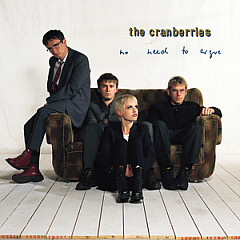
"Zombie" by The Cranberries is about a 1993 IRA bombing in England that killed two children.
Elton John had a huge hit duetting with Kiki Dee on "Don't Go Breaking My Heart," but he's also performed it with RuPaul and Miss Piggy.
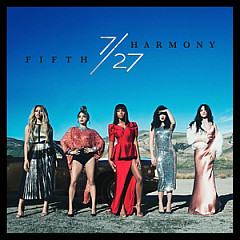
Fifth Harmony was going to call their song "Work," but they changed it to "Work from Home" when Rihanna released a song with that title.
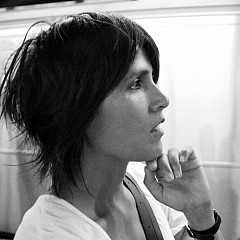
When she released her first album in 1988, Tanita became a UK singing sensation at age 19. She talks about her darkly sensual voice and quirky songwriting style.
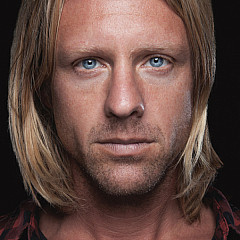
Switchfoot's frontman and main songwriter on what inspires the songs and how he got the freedom to say exactly what he means.
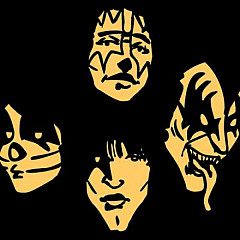
Kiss is the subject of many outlandish rumors - some of which happen to be true. See if you can spot the fakes.

Steve Cropper on the making of "In the Midnight Hour," the chicken-wire scene in The Blues Brothers, and his 2021 album, Fire It Up.
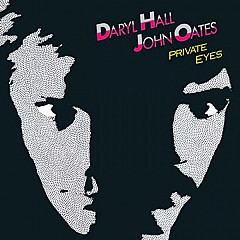
How a goofy detective movie, a disenchanted director and an unlikely songwriter led to one of the biggest hits in pop history.

The co-writer/guitarist on many Alice Cooper hits, Dick was also Lou Reed's axeman on the Rock n' Roll Animal album.